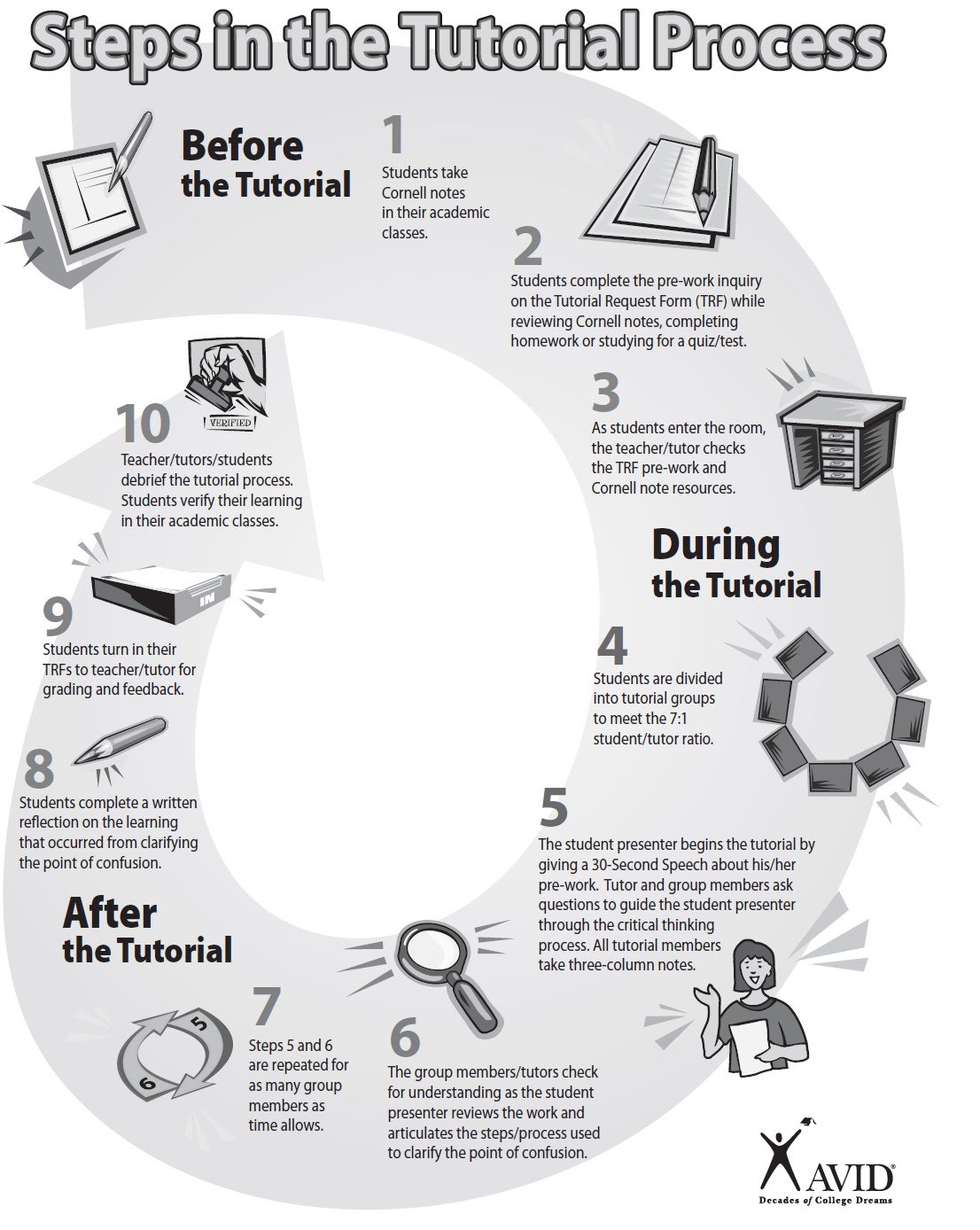
20S Hair Tutorial: Step-By-Step Guide To Vintage Glam With Avid Editing
Unveiling the Avid 10 Step Tutorial Process: A Comprehensive Guide to Mastering Video Editing
The Avid 10 Step Tutorial Process is a structured approach to video editing that empowers users to create polished and engaging content. Imagine transforming raw footage into a captivating story, seamlessly weaving together visuals, audio, and effects. This process has become an industry standard, adopted by professionals and enthusiasts alike, revolutionizing the way videos are crafted.
Its relevance lies in the ever-growing demand for compelling video content across various platforms. From captivating marketing campaigns to immersive documentaries, the ability to edit videos efficiently and effectively is crucial. The Avid 10 Step Tutorial Process provides a clear roadmap, guiding users through each stage of the editing workflow, from importing media to exporting the final masterpiece.
This comprehensive approach has its roots in the early days of video editing, where pioneers in the field developed techniques to streamline the process. Over time, these techniques were refined and codified into the Avid 10 Step Tutorial Process, which has become the foundation for video editing education and professional practice.
In this comprehensive guide, we will delve into each step of the Avid 10 Step Tutorial Process, exploring the tools, techniques, and concepts that make it an essential resource for aspiring video editors. We will unlock the secrets of successful video editing, empowering you to turn your creative visions into a reality.
avid 10 step tutorial process
The Avid 10 Step Tutorial Process is a comprehensive guide to video editing, providing a structured approach to creating polished and engaging content. Mastering its key points is essential for aspiring video editors to unlock their creative potential and produce high-quality videos.
- Importing Media:
- Organizing Footage:
- Rough Cut Assembly:
- Fine Cut Editing:
- Adding Transitions:
- Applying Visual Effects:
- Color Correction:
- Audio Mixing:
- Exporting Final Cut:
These key points encompass the entire video editing workflow, from importing raw footage to exporting the final masterpiece. Each step involves specific techniques and tools that contribute to the overall quality and effectiveness of the video. Understanding these points not only enhances editing skills but also enables editors to navigate the complexities of video editing software and overcome common challenges.
For instance, organizing footage efficiently streamlines the editing process, allowing editors to quickly locate and retrieve clips. Applying visual effects creatively can elevate the visual appeal of the video, enhancing its impact and engaging the audience. Mastering color correction techniques ensures accurate and consistent colors, creating a visually pleasing experience. Additionally, effective audio mixing balances sound elements, ensuring clarity and enhancing the overall impact of the video.
These key points are interconnected and build upon each other, forming a comprehensive framework for video editing. By delving deeper into each point, aspiring editors can unlock the full potential of the Avid 10 Step Tutorial Process, transforming their creative visions into polished and captivating videos.
Importing Media
Importing media is the initial step in the Avid 10 Step Tutorial Process, setting the stage for the entire video editing workflow. It involves transferring raw footage, audio files, graphics, and other media assets into the editing software, providing the foundation for creating a compelling video.
- File Formats:
Understanding various file formats, such as MOV, MP4, AVI, and their compatibility with the editing software is crucial. Different formats have unique characteristics, affecting video quality, file size, and editing capabilities.
- Media Organization:
Effectively organizing media files is essential for efficient editing. Creating a logical folder structure, naming files appropriately, and using metadata can streamline the process, enabling quick retrieval and management of media assets.
- Ingestion Methods:
Importing media can be done through various methods, including direct file transfer, camera or device connections, and network-based transfers. Choosing the appropriate method depends on factors such as file size, transfer speed, and availability of equipment.
- Media Transcoding:
In cases where media files are incompatible with the editing software or require optimization for efficient editing, transcoding is necessary. Transcoding converts media files into a format that is supported and optimized for the editing software, ensuring smooth playback and efficient processing.
Importing media effectively sets the foundation for a successful video editing project. Organized and accessible media files facilitate seamless editing, allowing editors to focus on crafting a compelling story rather than dealing with technical difficulties or searching for misplaced files. Furthermore, proper file handling and transcoding ensure compatibility, quality, and efficient editing performance.
Organizing Footage
Organizing footage is a crucial step in the Avid 10 Step Tutorial Process, serving as the foundation for efficient and effective video editing. It involves systematically arranging and categorizing raw footage, allowing editors to easily locate, retrieve, and manage media files throughout the editing workflow.
Cause and Effect:
Properly organizing footage directly affects the efficiency and productivity of the entire editing process. A well-organized footage library enables editors to quickly find the clips they need, reducing time spent searching and browsing through large volumes of media files. This streamlined workflow allows editors to focus on the creative aspects of video editing, such as storytelling and visual effects, rather than wasting time on administrative tasks.
Components:
Organizing footage is an essential element of the Avid 10 Step Tutorial Process, providing the foundation for subsequent steps. It involves creating a logical and consistent folder structure, naming files appropriately, and adding metadata tags for easy identification and retrieval. Effective organization also includes grouping similar clips together, segregating footage based on scenes or themes, and utilizing color coding or labeling systems for quick visual recognition.
Examples:
In a real-life instance, a video editor working on a documentary project may have hundreds of hours of raw footage captured from various locations and sources. By meticulously organizing the footage into folders labeled by date, location, and interview subject, the editor can easily find the specific clips needed for each scene, saving valuable time and ensuring a smooth editing process.
Applications:
Understanding the importance of organizing footage is crucial for video editors working on any project, regardless of its size or complexity. It is particularly beneficial for long-form projects, such as feature films or multi-episode documentaries, where managing large volumes of footage is essential for maintaining a cohesive and organized workflow.
In conclusion, organizing footage is a fundamental aspect of the Avid 10 Step Tutorial Process, directly impacting the efficiency and productivity of video editing. By implementing effective organizational techniques, editors can streamline their workflow, allowing them to focus on crafting compelling stories and delivering high-quality videos.
Potential challenges in organizing footage include dealing with large file sizes, fragmented or poorly labeled media, and the need for continuous maintenance and updating of the footage library. However, these challenges can be overcome with proper planning, consistent practices, and the use of appropriate software tools.Rough Cut Assembly
The rough cut assembly is a critical juncture in the Avid 10 Step Tutorial Process, serving as a foundational step towards crafting a compelling video narrative. It involves arranging selected raw footage into a coherent sequence, establishing the basic structure and flow of the video. This initial assembly sets the stage for subsequent editing stages, enabling editors to refine and polish their work.
Cause and Effect:
The rough cut assembly directly influences the overall outcome of the editing process. It serves as a blueprint for the final video, guiding subsequent editing decisions, such as shot selection, pacing, and transitions. A well-executed rough cut assembly provides a solid foundation for building upon, allowing editors to make informed adjustments and enhancements.
Components:
The rough cut assembly is an essential element of the Avid 10 Step Tutorial Process, forming the backbone of the video editing workflow. It involves identifying key moments and arranging them in a logical order, creating a cohesive narrative. Editors utilize various techniques, such as trimming, rearranging, and sequencing shots, to shape the story and convey the intended message.
Examples:
In a real-life example, consider a documentary filmmaker assembling a rough cut of their film. They meticulously select interview clips, establishing shots, and action sequences, arranging them in a chronological order that supports the film's narrative arc. This rough cut assembly serves as a foundation for further editing, allowing the filmmaker to fine-tune the pacing, add transitions, and incorporate visual effects to enhance the storytelling.
Applications:
Understanding the significance of the rough cut assembly is crucial for video editors working on any project, regardless of its size or complexity. It provides a practical framework for organizing and structuring footage, enabling editors to focus on shaping the story and refining the overall flow of the video. This step is particularly important for long-form projects, such as feature films or multi-episode documentaries, where managing large volumes of footage is essential for maintaining a cohesive and engaging narrative.
In conclusion, the rough cut assembly is a fundamental step in the Avid 10 Step Tutorial Process, serving as the cornerstone for building a compelling video narrative. It directly impacts the overall outcome of the editing process and provides a foundation for subsequent editing stages. Understanding and mastering this technique is essential for video editors seeking to create polished and engaging videos.
Potential challenges in the rough cut assembly process include dealing with extensive footage, managing multiple storylines, and ensuring a smooth narrative flow. However, these challenges can be overcome with proper planning, creative thinking, and effective use of editing software tools.
The rough cut assembly also serves as a crucial step in the broader process of video editing, linking the initial raw footage to the final polished video. It establishes a foundation for further refinement and enhancement, allowing editors to transform their creative vision into a captivating and impactful video experience.
Fine Cut Editing
Fine cut editing represents a crucial stage in the Avid 10 Step Tutorial Process, where editors meticulously refine and enhance the rough cut assembly, transforming it into a polished and compelling video narrative. This stage involves a series of precise tasks and creative decisions, aiming to optimize the flow, pacing, and overall impact of the video.
- Shot Selection:
Editors carefully review each shot, assessing its relevance, emotional impact, and contribution to the overall story. Redundant or unnecessary shots are removed, while essential shots are retained and arranged in a coherent and engaging sequence.
- Trimming and Tightening:
Editors fine-tune the length and timing of each shot, removing unnecessary frames or moments to create a concise and impactful video. This process enhances the pacing and rhythm of the video, ensuring that it maintains the viewer's attention throughout.
- Transitions and Effects:
Editors employ a variety of transitions and visual effects to seamlessly connect shots, enhance the storytelling, and create a visually appealing experience. Transitions can provide smooth and elegant movement between shots, while effects can add emphasis, drama, or a specific mood to the video.
- Audio Refinement:
Fine cut editing also involves adjusting and refining the audio elements of the video. Editors balance the levels of dialogue, music, and sound effects to ensure clarity and coherence. They may also employ audio editing techniques, such as noise reduction, EQ adjustments, and panning, to enhance the overall auditory experience.
Collectively, these components of fine cut editing contribute to the overall quality and effectiveness of the video. By carefully selecting shots, trimming and tightening footage, incorporating transitions and effects, and refining the audio, editors create a polished and engaging video that captivates the audience and conveys the intended message with clarity and impact.
Fine cut editing serves as a crucial bridge between the rough cut assembly and the final video, allowing editors to transform their raw into a refined and cohesive narrative. It is a stage that demands precision, creativity, and a keen eye for detail, as editors strive to elevate their videos to the highest level of quality.
Adding Transitions
In the context of the Avid 10 Step Tutorial Process, "Adding Transitions" represents a critical step in refining the video narrative. Transitions play a pivotal role in connecting shots, enhancing the flow, and guiding the viewer's attention throughout the video.
- Fade Transition:
A gradual transition that dissolves one shot into the next, creating a smooth and seamless visual effect. Fade transitions are commonly used to indicate a change in time, location, or perspective.
- Cross Dissolve Transition:
A variation of the fade transition where two shots are superimposed and gradually blended together. Cross dissolves can convey a sense of continuity or a passage of time.
- Wipe Transition:
A transition that replaces one shot with another by moving a graphic element, such as a line or shape, across the screen. Wipe transitions can be used to create a dynamic and energetic effect.
- Cut Transition:
An abrupt transition that instantly switches from one shot to another without any visual blending. Cut transitions are often used to create a sense of urgency or to emphasize a juxtaposition between shots.
The choice of transition depends on the desired effect and the overall tone of the video. Transitions can enhance the storytelling, create visual interest, and guide the viewer's emotional response. By skillfully incorporating transitions, editors can elevate their videos to a professional level of polish and engagement.
Applying Visual Effects
Within the Avid 10 Step Tutorial Process, "Applying Visual Effects" emerges as a pivotal step that elevates videos from ordinary to extraordinary. Visual effects empower editors to manipulate and enhance the visual elements of their videos, adding depth, drama, and impact to the storytelling.
The relationship between "Applying Visual Effects" and the "Avid 10 Step Tutorial Process" is symbiotic. Visual effects amplify the impact of the editing process, allowing editors to refine their creative vision and achieve their desired outcomes. Conversely, the structured approach of the tutorial process provides a framework for effectively incorporating visual effects into the video narrative.
Visual effects encompass a vast array of techniques, including color correction, compositing, motion graphics, and animation. Color correction enhances the visual appeal of the video, creating consistent and visually pleasing imagery. Compositing seamlessly blends multiple video elements, enabling editors to create surreal or impossible scenes. Motion graphics and animation add dynamic elements, such as titles, transitions, and animated characters, that captivate the viewer's attention.
Understanding and mastering "Applying Visual Effects" is essential for video editors seeking to produce professional-quality videos. It empowers them to create visually stunning content that engages audiences, conveys emotions, and leaves a lasting impression. Whether creating documentaries, feature films, or marketing videos, visual effects play a crucial role in captivating viewers and achieving the desired impact.
In conclusion, "Applying Visual Effects" is an integral part of the Avid 10 Step Tutorial Process, enabling editors to transform their videos into visually stunning masterpieces. By harnessing the power of visual effects, editors can unlock their creativity, elevate their storytelling, and produce videos that resonate with audiences on a deeper level.
Color Correction
In the realm of video editing, color correction stands as a pivotal technique that transforms raw footage into visually captivating content. Its significance within the Avid 10 Step Tutorial Process cannot be overstated, as it directly influences the overall outcome and effectiveness of the editing workflow.
Cause and Effect: Color correction has a profound impact on the viewer's perception and interpretation of the video. By manipulating colors, editors can evoke emotions, set the mood, and convey messages in a powerful way. Conversely, improper color correction can detract from the storytelling, causing confusion or disengagement among viewers.
Components: Color correction is an integral element of the Avid 10 Step Tutorial Process, forming a crucial step in the editing workflow. It involves adjusting various color parameters, such as hue, saturation, and brightness, to achieve consistency, balance, and visual appeal. Color correction also plays a vital role in matching shots, creating seamless transitions, and ensuring a cohesive visual experience.
Examples: In a real-life scenario, consider a documentary filmmaker working on a project about a remote indigenous tribe. Through color correction, the filmmaker can enhance the vibrant colors of the tribe's traditional clothing, making them pop on screen and conveying a sense of cultural richness. Additionally, color correction can be used to adjust the overall tone of the video, creating a warm and inviting atmosphere or a more somber and reflective mood.
Applications: Understanding color correction is essential for video editors working on any project, regardless of its size or complexity. It is particularly crucial in fields such as filmmaking, videography, and marketing, where visual impact is paramount. By mastering color correction techniques, editors can elevate their videos to a professional level, capturing the audience's attention and leaving a lasting impression.
Summary: In conclusion, color correction is an indispensable aspect of the Avid 10 Step Tutorial Process, enabling editors to transform ordinary footage into visually stunning masterpieces. It directly influences the viewer's perception and emotional response, making it a powerful tool for storytelling and creative expression. While color correction can present challenges, such as dealing with varying lighting conditions or color casts, these can be overcome with practice, technical expertise, and the use of appropriate software tools. Ultimately, color correction empowers editors to unleash their creativity and produce videos that resonate with audiences on a deeper level.Audio Mixing
Audio mixing, a crucial step in the Avid 10 Step Tutorial Process, elevates the overall impact of a video by harmonizing its sonic elements. It involves manipulating audio tracks, such as dialogue, music, and sound effects, to create a cohesive and impactful soundscape.
- Level Balancing:
Adjusting the volume of individual audio tracks to achieve a harmonious balance. This ensures that all elements are audible and contribute effectively to the overall mix.
- Equalization (EQ):
Modifying the frequency response of audio tracks to enhance clarity and remove unwanted noise or harshness. EQ helps shape the tonal quality of each element, preventing frequency masking and creating a well-defined soundscape.
- Compression:
Reducing the dynamic range of audio tracks to control volume fluctuations and enhance consistency. Compression can make dialogue more intelligible, add punch to sound effects, and create a more polished and controlled sound.
- Panning:
Distributing audio tracks across the stereo field to create a sense of space and depth. Panning can enhance immersion, draw attention to specific elements, and simulate real-world sound environments.
Audio mixing plays a pivotal role in storytelling and viewer engagement. By carefully manipulating audio elements, editors can evoke emotions, set the tone, and guide the audience's attention. It is an essential skill for creating professional-quality videos that captivate viewers and leave a lasting impression.
Exporting Final Cut
Exporting Final Cut, the final step in the Avid 10 Step Tutorial Process, marks the culmination of the video editing journey. It involves rendering the edited project into a distributable file format, making it accessible for sharing, playback, and distribution across various platforms.
Cause and Effect:
Exporting Final Cut directly affects the availability and accessibility of the edited video. It enables editors to share their work with clients, collaborators, and audiences, facilitating feedback, distribution, and consumption.
Components:
Exporting Final Cut is an essential element of the Avid 10 Step Tutorial Process, serving as the gateway to delivering the final video product. It involves selecting the appropriate file format, customizing export settings, and specifying the desired output quality.
Examples:
In a real-life scenario, consider a video editor working on a promotional video for a new product launch. After completing the editing process, they export the final cut in high-resolution MP4 format to ensure compatibility with various online platforms. This allows the client to easily share the video on social media, website, and email campaigns, reaching a wider audience.
Applications:
Understanding Exporting Final Cut is crucial for video editors seeking to complete their projects and share their work with the world. It enables them to choose the optimal export settings for specific distribution channels, ensuring compatibility, quality, and a seamless viewing experience.
In conclusion, Exporting Final Cut is an integral part of the Avid 10 Step Tutorial Process, empowering editors to deliver professional-quality videos that can be shared, distributed, and enjoyed by audiences. While challenges may arise, such as selecting the appropriate file format or optimizing export settings, these can be overcome with practice and a thorough understanding of the exporting process.
Frequently Asked Questions
This section addresses common queries and misconceptions regarding the Avid 10 Step Tutorial Process, providing clarity and further enhancing understanding.
Question 1: What is the significance of the Avid 10 Step Tutorial Process?
Answer: The Avid 10 Step Tutorial Process serves as a structured approach to video editing, guiding users through each stage of the process, from importing media to exporting the final cut. It provides a comprehensive framework for creating polished and engaging videos.
Question 2: Is the Avid 10 Step Tutorial Process suitable for beginners?
Answer: The process is designed to be accessible to individuals of all skill levels, including beginners. It offers a clear and organized roadmap, breaking down the video editing workflow into manageable steps, making it an ideal starting point for aspiring video editors.
Question 3: Can I apply the Avid 10 Step Tutorial Process to different video editing software?
Answer: While the process is primarily associated with Avid Media Composer, its underlying principles can be adapted and applied to various video editing software. The fundamental steps and techniques are transferable, allowing editors to leverage their knowledge across different platforms.
Question 4: How does the Avid 10 Step Tutorial Process enhance video editing efficiency?
Answer: By following a structured approach, editors can streamline their workflow, minimizing wasted time and maximizing productivity. The process helps editors stay organized, manage media effectively, and apply editing techniques systematically, resulting in efficient and focused video editing sessions.
Question 5: What are the key benefits of mastering the Avid 10 Step Tutorial Process?
Answer: Mastering this process empowers editors to create professional-quality videos with consistency and confidence. It enables them to harness the full potential of their editing software, explore creative possibilities, and deliver polished content that engages and captivates audiences.
Question 6: How can I further expand my knowledge and skills beyond the Avid 10 Step Tutorial Process?
Answer: To delve deeper into video editing, consider exploring advanced editing techniques, color grading, audio mixing, and motion graphics. Continuous learning and experimentation are essential for expanding one's skillset and staying updated with industry trends.
In summary, the Avid 10 Step Tutorial Process provides a comprehensive and accessible approach to video editing, benefiting beginners and experienced editors alike. Mastering this process lays the foundation for creating compelling videos, while ongoing learning opens up new avenues for creative exploration and professional growth.
Transition to the next section: Delve into the intricacies of the Avid 10 Step Tutorial Process, exploring each step in detail to unlock the secrets of professional video editing.
Tips for Mastering the Avid 10 Step Tutorial Process
This section provides practical tips and techniques to help you excel in the Avid 10 Step Tutorial Process, enabling you to create polished and engaging videos with efficiency and creativity.
Tip 1: Organize Your Media Diligently:Maintain a well-structured folder system and utilize descriptive file naming conventions. This organization will save time during editing and ensure easy retrieval of media assets.Tip 2: Embrace Keyboard Shortcuts:
Learn and utilize keyboard shortcuts to expedite your editing workflow. These shortcuts can significantly increase your editing speed and productivity.Tip 3: Master Color Correction Techniques:
Color correction is crucial for enhancing the visual appeal of your videos. Familiarize yourself with color wheels, curves, and white balance adjustments to achieve accurate and visually pleasing colors.Tip 4: Experiment with Transitions and Effects:
Explore various transitions and visual effects to add polish and creativity to your videos. However, use these elements judiciously to avoid overwhelming your audience.Tip 5: Leverage Audio Mixing Tools:
Utilize audio mixing tools such as EQ, compression, and panning to balance and enhance the audio elements of your video. Proper audio mixing can significantly improve the overall impact of your video.Tip 6: Pay Attention to Pacing and Rhythm:
Control the pacing and rhythm of your video to maintain viewer engagement. Vary the length of shots and scenes to create a dynamic and visually interesting experience.Tip 7: Utilize Stock Footage and Graphics:
Incorporate royalty-free stock footage and graphics to supplement your own media. These assets can add variety and enhance the visual appeal of your videos.Tip 8: Continuously Refine and Iterate:
Don't hesitate to revisit and refine your work. Seek feedback from peers or mentors, and be willing to make adjustments to improve the overall quality of your video.
By implementing these tips, you can elevate your video editing skills, creating compelling content that captivates your audience and achieves your desired outcomes.
As you progress through the Avid 10 Step Tutorial Process, remember that mastering these techniques is an ongoing journey. With dedication, practice, and a keen eye for detail, you can unlock your full potential as a video editor and produce videos that leave a lasting impression.
In the concluding section, we will explore additional resources and best practices to help you further enhance your video editing skills and expand your creative horizons.
Conclusion
The exploration of the Avid 10 Step Tutorial Process throughout this article has illuminated its significance as a structured and comprehensive approach to video editing. It provides a clear roadmap for editors, guiding them through each stage of the editing workflow, from importing media to exporting the final cut.
Key insights gained from this article include:
- Step-by-step Guidance: The Avid 10 Step Tutorial Process offers a well-defined sequence of steps, enabling editors to approach video editing systematically, ensuring no crucial aspects are overlooked.
- Flexibility and Adaptability: While the process provides a structured framework, it also allows for flexibility and adaptation to different editing styles, project requirements, and software preferences.
- Skill Enhancement and Professional Growth: Mastering the Avid 10 Step Tutorial Process empowers editors to enhance their skills, expand their creative horizons, and produce polished and engaging videos that captivate audiences.
In conclusion, the Avid 10 Step Tutorial Process serves as an invaluable resource for aspiring and experienced video editors alike, providing a solid foundation for creating compelling video content. As technology continues to advance and video editing techniques evolve, embracing this process and continuously refining one's skills will remain essential for staying at the forefront of video editing excellence.