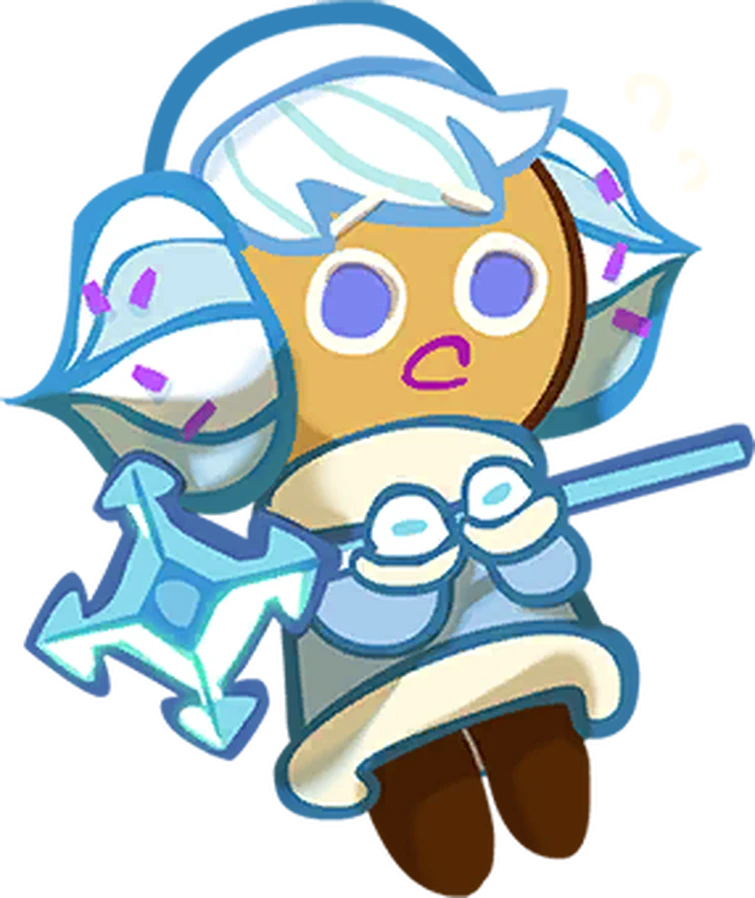
Learn To Draw Delectable Treats With The Cookie Run Art Style Tutorial
Learn the Cookie Run Art Style: A Comprehensive Guide for Digital Artists
A "Cookie Run art style tutorial" provides step-by-step instructions and techniques for creating artwork inspired by the popular mobile game Cookie Run. These tutorials often include guidance on character design, color palettes, and background elements. A notable example is the "How to Draw Cookie Run Characters" tutorial by artist "cookierunfanart," which demonstrates the process of drawing popular characters from the game.
Understanding the Cookie Run art style is essential for creating visually appealing artwork that captures the game's unique charm. It offers a distinctive and recognizable aesthetic that sets it apart from other games. Moreover, mastering this style can enhance one's digital art skills and provide a solid foundation for creating original artwork and fan art.
The Cookie Run art style has undergone significant evolution since the game's initial release in 2013. In its early stages, the art style was simpler, with less detailed characters and backgrounds. However, as the game gained popularity, the art style became increasingly refined, incorporating more intricate designs and vibrant colors.
This tutorial delves into the fundamentals of the Cookie Run art style, guiding readers through the process of creating their own Cookie Run-inspired artwork. It covers essential topics such as understanding the game's color palette, designing characters with distinct personalities, and creating dynamic backgrounds that bring the artwork to life.
Cookie Run Art Style Tutorial
Cookie Run 9 Cookie Run
- Character Design: Creating distinctive and memorable characters.
- Color Palette: Utilizing a vibrant and harmonious color scheme.
- Background Elements: Designing backgrounds that enhance the storytelling.
- Linework and Shading: Understanding the use of lines and shading for depth.
- Composition: Arranging elements to create a visually appealing layout.
- Storytelling: Incorporating elements that convey a narrative.
- Stylization: Exaggerating features for a stylized and distinctive look.
- Challenges: Recognizing and overcoming common obstacles in the creative process.
- Inspiration: Exploring various sources for artistic inspiration.
Cookie Run Cookie Run
Character Design
Character design is a fundamental aspect of the Cookie Run art style, as the characters are the heart and soul of the game. Creating distinctive and memorable characters is essential for capturing the attention of players and creating a lasting impression.
- Silhouette: The overall shape and form of the character should be instantly recognizable, even when viewed from a distance or in a small size. For example, the character GingerBrave is easily recognizable by his gingerbread man shape and red and white color scheme.
- Color Palette: The colors used in a character's design should be vibrant and complementary, helping to create a visually appealing and cohesive look. For instance, the character Peppermint Cookie uses a combination of red, white, and green, which are the colors commonly associated with peppermint candies.
- Personality: Each character should have a unique and well-defined personality that shines through in their design. This can be conveyed through facial expressions, body language, and the use of accessories. For example, the character Chili Pepper Cookie has a fiery and passionate personality, which is reflected in her red hair, devilish horns, and spicy pepper outfit.
- Story: A strong backstory can help to make a character more relatable and memorable. Consider the character's motivations, goals, and conflicts when designing their appearance. For example, the character Moonlight Cookie is a mysterious and ethereal figure who is searching for her lost memories. Her design reflects this, with her flowing white hair, glowing eyes, and celestial motifs.
These elements of character design work together to create distinctive and memorable characters that players can connect with and remember long after they've finished playing the game. By carefully considering each aspect of character design, artists can create characters that truly bring the Cookie Run world to life.
Color Palette
The color palette plays a crucial role in creating the distinctive and visually appealing look of Cookie Run artwork. By carefully selecting and combining colors, artists can create vibrant and harmonious color schemes that capture the game's whimsical and enchanting atmosphere.
- Complementary Colors: Choosing colors that are opposite each other on the color wheel, such as red and green or blue and orange, creates a visually striking and dynamic effect. For example, the character Fire Spirit Cookie uses a combination of red and blue, which creates a sense of heat and energy.
- Analogous Colors: Selecting colors that are adjacent to each other on the color wheel, such as blue, green, and yellow-green, creates a more subtle and cohesive look. For instance, the character Sea Fairy Cookie uses a palette of blues and greens, which reflects her connection to the ocean.
- Color Temperature: Using warm colors, such as red, orange, and yellow, can create a sense of warmth and energy, while cool colors, such as blue, green, and purple, can create a sense of coolness and tranquility. For example, the character Cocoa Cookie uses warm colors such as brown and orange, which evoke a sense of coziness and comfort.
- Color Value: The lightness or darkness of a color can be used to create contrast and depth in an artwork. For example, the character Moonlight Cookie uses a combination of light and dark blues, which creates a sense of mystery and intrigue.
By skillfully combining these elements of color theory, artists can create color palettes that not only enhance the visual appeal of their artwork but also convey specific moods, emotions, and themes. The vibrant and harmonious color schemes used in Cookie Run artwork are a testament to the importance of color in creating a memorable and immersive gaming experience.
Background Elements
In the realm of "Cookie Run art style tutorial," understanding how to design backgrounds that enhance storytelling is a crucial skill. Backgrounds are not merely static backdrops but rather dynamic elements that contribute significantly to the overall narrative and visual impact of an artwork.**Cause and Effect:**Backgrounds directly influence the perception and interpretation of characters and events within a scene. By carefully crafting backgrounds, artists can subtly guide the viewer's gaze, establish a mood or atmosphere, and convey important information about the setting or context.**Components:**Backgrounds in "Cookie Run" art are composed of various elements, including scenery, props, lighting, and color. Each element plays a specific role in enhancing the storytelling. For instance, a vibrant and lush forest background creates a sense of wonder and adventure, while a dark and stormy background conveys a sense of danger and foreboding.**Examples:**One notable example in the game is the background of the "Cookie Castle" level. The majestic castle, surrounded by rolling hills and blooming flowers, establishes a sense of grandeur and enchantment. In contrast, the "Dark Cacao Kingdom" level features a desolate and war-torn background, which reflects the ongoing conflict and despair within the kingdom.**Applications:** the art of designings has practical applications beyond "Cookie Run" art. It is an essential skill for creating visually compelling and immersive artwork in various digital art forms, including concept art, animation, and video games.**Summary:**In conclusion, understanding the role of background elements in storytelling is fundamental to creating effective and engaging "Cookie Run" art. By carefully considering the cause-and-effect relationship between backgrounds and storytelling, artists can craft backgrounds that enhance the narrative, convey important information, and create a truly immersive experience for the viewer. While challenges may arise in finding the right balance between visual appeal and storytelling, the rewards of creating impactful backgrounds make it a worthwhile endeavor for any aspiring "Cookie Run" artist. This skill is not only essential for mastering the "Cookie Run" art style but also a valuable asset for any digital artist seeking to create visually stunning and narratively rich artwork.Linework and Shading
In the world of "Cookie Run" art, linework and shading are fundamental techniques used to create depth, dimension, and detail in artwork. Mastering these techniques is essential for achieving the distinctive and visually appealing look that characterizes the "Cookie Run" art style.
- Line Weight and Variation:
The thickness and variation in line weight can create a sense of depth and dimension. Thicker lines can be used to emphasize important elements or create a sense of solidity, while thinner lines can be used for details or to create a sense of movement.
- Shading and Highlights:
Shading and highlights can be used to create a sense of depth and form. By carefully applying shading and highlights, artists can create the illusion of light and shadow, making objects appear more three-dimensional.
- Contour Lines:
Contour lines are lines that define the edges and contours of an object. By carefully placing contour lines, artists can create a sense of depth and volume, making objects appear more realistic.
- Cross-Hatching and Stippling:
Cross-hatching and stippling are techniques used to create texture and shading by using. These techniques can be used to create a variety of effects, from subtle shading to dramatic highlights.
These techniques work together to create the illusion of depth and dimension in "Cookie Run" artwork. By skillfully combining linework and shading, artists can create visually appealing and engaging artwork that brings the world of "Cookie Run" to life. Furthermore, these techniques can be applied to various digital art forms, making them valuable skills for any aspiring digital artist.
Composition
In the realm of "Cookie Run" art, composition plays a crucial role in creating visually appealing and impactful artwork. It involves the arrangement and organization of elements within an artwork to achieve a harmonious and cohesive design.
- Focal Point:
The focal point is theof an artwork that draws the viewer's attention. It can be a character, an object, or a specific area of the scene. Carefully placing the focal point and using visual elements to guide the viewer's eye towards it creates a sense of focus and interest.
- Rule of Thirds:
The rule of thirds is a compositional guideline that divides theinto thirds, both horizontally and vertically. Placing important elements along these lines or at their intersections often creates a more balanced and aesthetically pleasing composition.
- Balance:
Balance refers to the distribution of visual weight within an artwork. This can be achieved through symmetrical or asymmetrical arrangements of elements. Creating a sense of balance helps to stabilize the composition and prevent it from feeling cluttered or chaotic.
- Leading Lines:
Leading lines are visual elements that guide the viewer's eye through an artwork. This can be achieved through the use of lines, shapes, or objects that point towards or frame important elements in the scene. Leading lines can create a sense of depth and movement, drawing the viewer into the artwork.
These components of composition work together to create visually appealing and engaging "Cookie Run" artwork. By carefully considering the placement and arrangement of elements, artists can create artwork that captures the viewer's attention, conveys a clear message, and leaves a lasting impression. Furthermore, these principles of composition can be applied to various digital art forms, making them valuable skills for any aspiring digital artist.
Storytelling
In the realm of "Cookie Run art style tutorial," storytelling plays a pivotal role in creating artwork that captivates and engages viewers. By incorporating elements that convey a narrative, artists can transform their artwork from mere illustrations into immersive visual experiences that tell a story and evoke emotions.
Cause and Effect: Storytelling in "Cookie Run" art directly influences the viewer's perception and interpretation of the artwork. By carefully crafting a narrative, artists can guide the viewer's journey through the artwork, creating a sense of anticipation, curiosity, and emotional connection. Conversely, the absence of a clear narrative can leave the viewer feeling disengaged and uninspired.
Components: Storytelling is an essential element of "Cookie Run" art style tutorial, as it provides a framework for artists to organize and structure their artwork. It involves the inclusion of characters, settings, and events that work together to convey a cohesive and meaningful story. Without a narrative, the artwork may lack focus and direction, resulting in a visually appealing but ultimately forgettable piece.
Examples: One notable example of storytelling in "Cookie Run" art is the "Cookie Odyssey" series by artist "cookierunfanart." This series tells the story of a group of cookies embarking on a journey to find the legendary "Cookie of Time." Through vibrant visuals and intricate details, the artist brings the characters and their journey to life, creating a captivating experience for viewers.
Applications: Understanding storytelling techniques in "Cookie Run" art style tutorial has practical implications beyond creating visually appealing artwork. It can enhance an artist's ability to communicate ideas, emotions, and messages through their art. This skill is valuable not only for creating "Cookie Run" fan art but also for various other digital art forms, including concept art, animation, and video games.
In conclusion, storytelling is an integral part of "Cookie Run" art style tutorial, enabling artists to create artwork that transcends mere aesthetics and connects with viewers on a deeper level. By incorporating elements that convey a narrative, artists can craft immersive visual experiences that engage, inspire, and leave a lasting impression on their audience.
Stylization
Within the realm of "cookie run art style tutorial," stylization plays a crucial role in creating artwork that stands out and leaves a lasting impression. By exaggerating features and employing distinct visual elements, artists can achieve a stylized look that captures the essence of the "Cookie Run" aesthetic while also infusing their own unique artistic vision.
- Exaggerated Proportions:
Cookie Run characters are often depicted with exaggerated proportions, such as large heads and eyes, which adds a whimsical and cartoonish charm to the artwork. This exaggeration helps convey emotions and expressions more effectively.
- Bold and Simple Shapes:
Cookie Run artwork often utilizes bold and simple shapes to create a distinctive visual style. Clean lines and geometric forms help to convey a sense of clarity and focus, making the artwork easily recognizable and memorable.
- Vibrant Colors and Contrasts:
The "Cookie Run" art style is characterized by its vibrant color palette and strong contrasts. These elements create a sense of energy and excitement, drawing the viewer's attention and making the artwork visually appealing.
- Unique Character Design:
Cookie Run characters are known for their unique and imaginative designs, which often incorporate elements of food, animals, and mythical creatures. This creativity and attention to detail helps to create a rich and diverse cast of characters that captivates the imagination.
In essence, stylization in "Cookie Run" art style tutorial involves pushing the boundaries of conventional representation to create a visually striking and memorable aesthetic. This can be achieved through the exaggeration of features, the use of bold and simple shapes, vibrant colors and contrasts, and the creation of unique and imaginative character designs. By embracing these elements, artists can craft artwork that truly captures the spirit of the "Cookie Run" world and resonates with fans and enthusiasts alike.
Challenges
The creative process is inherently challenging, and "Cookie Run" art style tutorial is no exception. Artists face various obstacles that can hinder their progress and prevent them from achieving their desired outcomes. However, recognizing and overcoming these challenges is essential for growth and improvement.
One common challenge in "Cookie Run" art style tutorial is achieving the right balance between faithfulness to the original style and personal artistic expression. Artists must carefully study and understand the distinctive elements of the "Cookie Run" aesthetic while infusing their own unique creative vision. This delicate balance requires careful consideration and experimentation to strike the right chord between adherence and innovation.
Another challenge lies in capturing the essence and personality of "Cookie Run" characters. These characters are beloved by fans for their distinct traits and quirks. Artists must meticulously observe and analyze each character's design, backstory, and personality to accurately portray them in their artwork. This requires a deep understanding of the characters and the ability to translate their personalities into visual elements.
Furthermore, the technical aspects of digital art can also pose challenges. Mastering digital art tools, understanding color theory, and developing strong composition skills are essential for creating high-quality "Cookie Run" artwork. Artists must continually practice and refine their technical abilities to overcome these challenges and produce visually appealing and engaging artwork.
Despite the challenges, understanding and overcoming them is crucial for creating successful "Cookie Run" art. By embracing these challenges and dedicating themselves to continuous learning and improvement, artists can elevate their skills, produce stunning artwork, and contribute to the vibrant and growing "Cookie Run" community.
Inspiration
In the realm of digital art, inspiration serves as the lifeblood of creativity, fueling artists' imaginations and enabling them to produce captivating and original artwork. This is particularly true for "Cookie Run" art style tutorial, where artists draw upon a diverse range of sources to create artwork that captures the essence of the game's unique aesthetic.
Cause and Effect: Inspiration acts as a catalyst for artistic expression in "Cookie Run" art style tutorial. By exposing themselves to various sources of inspiration, artists stimulate their creativity and generate fresh ideas. This, in turn, leads to the creation of artwork that is both visually appealing and true to the "Cookie Run" style.
Components: Inspiration is an integral component of "Cookie Run" art style tutorial, providing artists with the necessary fuel to bring their artistic visions to life. It serves as a starting point for the creative process, sparking the initial spark of imagination that sets the tone for the artwork.
Examples: One notable example of inspiration in "Cookie Run" art style tutorial is the work of artist "cookierunfanart." Inspired by the game's vibrant characters and whimsical world, "cookierunfanart" creates stunning artwork that captures the essence of "Cookie Run" while adding their own unique artistic flair.
Applications: Understanding the importance of inspiration in "Cookie Run" art style tutorial has practical implications for aspiring artists. By actively seeking out and engaging with various sources of inspiration, artists can expand their creative horizons, develop their artistic voice, and produce artwork that resonates with audiences.
In conclusion, inspiration plays a pivotal role in "Cookie Run" art style tutorial, acting as a catalyst for creativity and enabling artists to produce artwork that is both visually stunning and true to the game's unique aesthetic. By embracing the power of inspiration and actively seeking out diverse sources of creative fuel, artists can unlock their full potential and create artwork that captivates and inspires.
Frequently Asked Questions (FAQs)
This section addresses commonly asked questions or clarifies aspects of "Cookie Run" art style tutorial to enhance understanding and support learning.
Question 1: What are the key elements of the "Cookie Run" art style?
The "Cookie Run" art style is characterized by vibrant colors, exaggerated proportions, bold outlines, and unique character designs that often incorporate elements of food, animals, and mythical creatures.
Question 2: How do I achieve the right balance between faithfulness to the original style and personal expression?
Carefully study the original "Cookie Run" artwork, analyze its distinctive elements, and experiment with incorporating your own creative vision while maintaining the overall aesthetic.
Question 3: What are some tips for capturing the personality of "Cookie Run" characters?
Thoroughly research each character's backstory, personality traits, and unique characteristics. Pay attention to their facial expressions, body language, and the details in their designs.
Question 4: How do I overcome technical challenges in "Cookie Run" art style tutorial?
Practice regularly, study digital art fundamentals (e.g., color theory, composition), and seek guidance from experienced artists or online resources.
Question 5: Where can I find inspiration for my "Cookie Run" artwork?
Explore the official "Cookie Run" game, fan art communities, other artistic styles, and real-world objects or experiences that align with the game's themes.
Question 6: Are there any common pitfalls to avoid in "Cookie Run" art style tutorial?
Be cautious of overcomplicating designs, neglecting the game's established color palette, or straying too far from the overall aesthetic, as this can diminish the authenticity of your artwork.
These FAQs provide essential insights into the nuances of "Cookie Run" art style tutorial. By addressing common concerns and offering practical guidance, they empower aspiring artists to navigate the creative process and produce stunning artwork that captures the unique charm of the "Cookie Run" world.
In the next section, we delve deeper into the intricacies of character design within the "Cookie Run" art style, exploring techniques for creating distinctive and memorable characters that bring the game's whimsical world to life.
Cookie Run Art Style Tutorial
In this section, we present practical tips to help you create distinctive and memorable characters that embody the spirit of the "Cookie Run" art style.
Tip 1: Study the Original DesignsBegin by thoroughly analyzing the official "Cookie Run" character designs. Pay attention to their color palettes, shapes, and unique features that make them recognizable.
Tip 2: Exaggerate Proportions and FeaturesEmbrace the exaggerated proportions and features characteristic of the "Cookie Run" style. This can add a touch of whimsy and charm to your characters.
Tip 3: Incorporate Food ElementsMany "Cookie Run" characters are inspired by food items. Consider incorporating food elements into your character's design, such as cookies, cakes, or fruits, to enhance their visual appeal.
Tip 4: Develop Compelling BackstoriesCreate rich and engaging backstories for your characters. This will help you define their personalities and motivations, making them more relatable to viewers.
Tip 5: Experiment with Color PalettesExplore vibrant and eye-catching color palettes that align with the overall aesthetic of the "Cookie Run" world. Don't be afraid to experiment with bold and unexpected color combinations.
Tip 6: Pay Attention to DetailsFocus on adding intricate details to your characters, such as accessories, clothing patterns, or facial expressions. These details can bring your characters to life and make them stand out.
Tip 7: Practice RegularlyConsistent practice is key to improving your skills in the "Cookie Run" art style. Dedicate time to regularly create artwork and experiment with different techniques.
Tip 8: Share Your Work and Seek FeedbackShare your "Cookie Run" artwork with the community and seek constructive feedback. This can help you identify areas for improvement and refine your skills.
By following these tips and immersing yourself in the world of "Cookie Run," you can create unique and memorable characters that capture the essence of the game's beloved aesthetic. In the final section, we'll explore composition techniques that will help you arrange and organize these characters within your artwork to create visually appealing and cohesive scenes.
Conclusion
This comprehensive exploration of "Cookie Run" art style tutorial has illuminated the intricacies of this unique and captivating art form. By delving into the core elements of the style, we've uncovered key techniques that contribute to its distinctive aesthetic.
- Exaggerated Proportions and Features: The use of exaggerated proportions and features adds a touch of whimsy and charm to "Cookie Run" characters, making them instantly recognizable and visually appealing.
- Vivid Color Palettes: The vibrant and eye-catching color palettes employed in "Cookie Run" artwork create a sense of energy and excitement, drawing the viewer's attention and enhancing the overall visual impact.
- Incorporation of Food Elements: The clever integration of food elements into character designs adds a playful and imaginative touch, further reinforcing the connection between the game and its culinary inspirations.
These elements, when combined, create a cohesive and harmonious art style that captures the essence of the "Cookie Run" universe. As aspiring artists embark on their creative journey within this style, they are encouraged to experiment with different techniques, explore unique color combinations, and develop their own artistic voice while staying true to the core principles of the "Cookie Run" aesthetic.
The "Cookie Run" art style tutorial serves as a gateway into a world of creativity and imagination, inviting artists to explore the boundaries of their artistic abilities and contribute to the ever-expanding universe of "Cookie Run" fan art. With dedication and practice, anyone can master this delightful art style and create stunning artwork that brings joy and inspiration to the "Cookie Run" community.