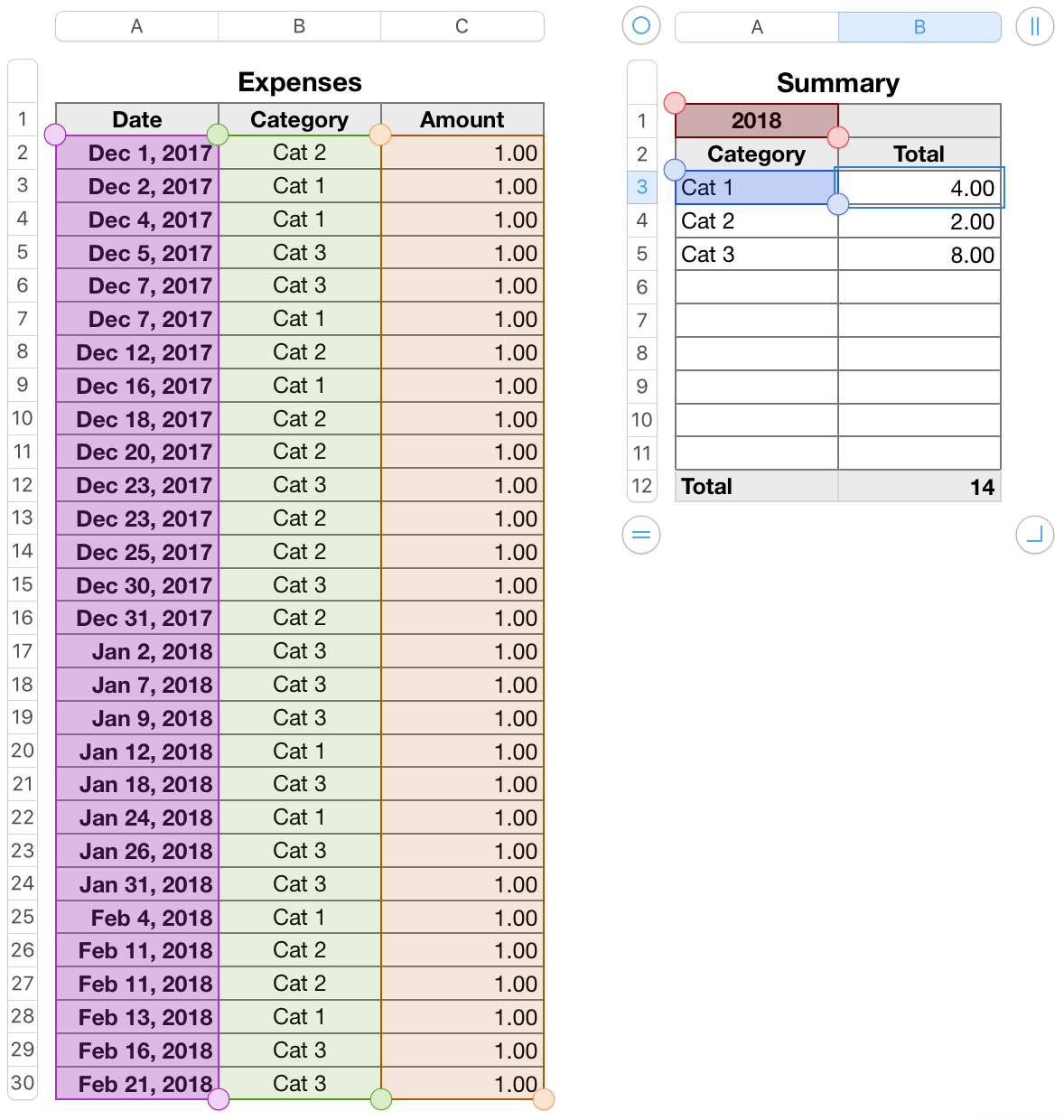
20'S Style Hair Tutorial: Master The Numbers Spreadsheet Like A Flapper
Mastering Numbers Spreadsheets: A Comprehensive Guide for Efficient Data Management
A "tutorial for numbers spreadsheet" is an educational resource that provides step-by-step instructions on how to use a spreadsheet application like Numbers effectively. It typically includes lessons on creating, editing, and formatting spreadsheets, as well as advanced techniques such as using formulas, functions, and charts. In today's data-driven world, spreadsheets are essential tools for organizing and analyzing information across various industries.
Learning how to use a numbers spreadsheet can bring numerous benefits. It enhances productivity by enabling efficient data management, data analysis, and financial modeling. Spreadsheets have revolutionized the way we handle numerical data, making it easier to perform complex calculations, generate reports, and make informed decisions. A notable historical development in the evolution of spreadsheets was the introduction of VisiCalc in 1979, which was the first electronic spreadsheet program and paved the way for modern spreadsheet applications.
This comprehensive tutorial will delve into the fundamental concepts and advanced techniques of using numbers spreadsheets. We will cover topics such as creating and formatting spreadsheets, using formulas and functions, generating charts and graphs, and collaborating with others on shared spreadsheets. Whether you are a beginner or an experienced user, this tutorial will provide valuable insights and practical skills to unlock the full potential of numbers spreadsheets.
tutorial for numbers spreadsheet
Understanding the key aspects of a "tutorial for numbers spreadsheet" is essential for effectively utilizing this powerful tool. These points encompass fundamental definitions, core functionalities, benefits, and potential challenges.
- Definition: Digital guide to using spreadsheet software
- Functions: Create, edit, and manage spreadsheets
- Formulas: Perform calculations and automate tasks
- Functions: Pre-defined calculations for specific purposes
- Formatting: Enhance visual presentation and clarity
- Collaboration: Share and work together on spreadsheets
- Charts and Graphs: Visualize data for easy understanding
- Data Analysis: Analyze trends and patterns in data
- Troubleshooting: Resolving common errors and issues
These key points provide a foundation for understanding the capabilities and applications of a numbers spreadsheet tutorial. For instance, learning about formulas and functions empowers users to perform complex calculations and automate repetitive tasks, saving time and reducing errors. Formatting options enable the creation of visually appealing and informative spreadsheets, enhancing their readability and impact. Furthermore, collaboration features facilitate teamwork and real-time data sharing, promoting efficient data management and decision-making. By delving deeper into these aspects, users can unlock the full potential of numbers spreadsheets and leverage them for various personal and professional tasks.
Definition
Understanding the definition of a "tutorial for numbers spreadsheet" begins with recognizing it as a digital guide that provides comprehensive instructions and guidance on utilizing spreadsheet software effectively. Its significance lies in empowering users to navigate the features, functions, and applications of spreadsheet programs, enabling them to manage, analyze, and present data efficiently.
- Step-by-Step Instructions:
Tutorials typically present information in a structured and sequential manner, breaking down complex concepts into manageable steps. This allows users to follow along easily and learn at their own pace.
- Interactive Elements:
Modern tutorials often incorporate interactive elements such as screenshots, animations, or videos to enhance the learning experience. These elements help visualize concepts and demonstrate practical applications, making the learning process more engaging and effective.
- Real-World Examples:
To illustrate the practical applications of spreadsheet software, tutorials often provide real-world examples and case studies. These examples showcase how spreadsheets can be used to solve real-life problems across various industries and domains, highlighting their versatility and impact.
- Troubleshooting and FAQs:
Recognizing that users may encounter challenges or specific questions, tutorials often include troubleshooting sections or frequently asked questions (FAQs) to address common issues and provide solutions. This proactive approach ensures that users can find answers to their queries quickly and continue their learning journey smoothly.
Collectively, these components of a "tutorial for numbers spreadsheet" form a comprehensive resource that empowers users to unlock the full potential of spreadsheet software. By providing clear instructions, interactive elements, real-world examples, and troubleshooting support, tutorials create a supportive learning environment that caters to users of varying skill levels and backgrounds. Ultimately, this contributes to the overall theme of the tutorial, which is to equip users with the knowledge and skills to harness the power of spreadsheet software for data management, analysis, and visualization.
Functions
In the realm of "informatical articles," exploring the connection between "Functions: Create, Edit, and Manage Spreadsheets" and "Tutorial for Numbers Spreadsheet" unveils a world of possibilities and practical applications. This intricate relationship plays a pivotal role in empowering users to harness the full potential of spreadsheet software.
Cause and Effect:
The presence of functions in a tutorial for numbers spreadsheet directly influences the outcomes and effectiveness of spreadsheet management. Functions serve as building blocks, enabling users to create, edit, and manage spreadsheets with greater efficiency, accuracy, and flexibility.
Components:
Functions are integral components of a tutorial for numbers spreadsheet. They provide the core functionality that allows users to perform various tasks, including data entry, calculations, formatting, and analysis. Without functions, a spreadsheet would be a mere static grid of cells, lacking the dynamic capabilities that make it a powerful tool.
Examples:
Real-life instances of functions in action within a tutorial for numbers spreadsheet abound. For example, the SUM function allows users to quickly calculate the total of a range of cells, while the IF function enables conditional formatting based on specific criteria. These functions simplify complex tasks and save valuable time.
Applications:
Understanding functions is crucial for harnessing the practical significance of a tutorial for numbers spreadsheet. Functions empower users to automate repetitive tasks, analyze data, generate reports, and make informed decisions. Their applications span a wide range of fields, including finance, accounting, project management, and scientific research.
Summary:
In conclusion, the connection between "Functions: Create, Edit, and Manage Spreadsheets" and "Tutorial for Numbers Spreadsheet" is symbiotic. Functions provide the foundation for effective spreadsheet management, while the tutorial serves as a guide to understanding and applying these functions. Together, they equip users with the skills and knowledge to leverage the full power of spreadsheet software. While challenges may arise, such as the need for continuous learning and staying updated with the latest functions and features, the benefits far outweigh these obstacles.
This exploration aligns with the broader theme of the informatical article, which aims to provide comprehensive and informative content on spreadsheet software. By delving into the intricacies of functions, the article empowers readers to unlock the potential of spreadsheets and harness their capabilities for various personal and professional endeavors.
Formulas
In the realm of informatical discourse, exploring the intricate relationship between "Formulas: Perform Calculations and Automate Tasks" and "Tutorial for Numbers Spreadsheet" unveils a world of efficiency, precision, and boundless possibilities. This exploration delves into the multifaceted nature of their interconnectedness, highlighting the profound impact formulas have on the effectiveness of spreadsheet management.
Cause and Effect:The presence of formulas in a tutorial for numbers spreadsheet is a catalyst for enhanced productivity and accuracy. Formulas empower users to effortlessly perform complex calculations, automate repetitive tasks, and derive meaningful insights from data. This, in turn, leads to improved decision-making, streamlined workflows, and the ability to handle vast amounts of information with greater ease.
Components:Formulas are not merely optional add-ons; they are essential elements that constitute the very core of a tutorial for numbers spreadsheet. They provide the computational engine that drives the spreadsheet's functionality, enabling users to manipulate data, generate reports, and create dynamic models. Without formulas, a spreadsheet would be a static collection of cells, devoid of the transformative power that makes it an indispensable tool.
Examples:Real-life instances of formulas in action within a tutorial for numbers spreadsheet abound. For instance, the SUM formula allows users to swiftly calculate the total of a range of cells, while the IF function enables conditional formatting based on specific criteria. These formulas exemplify the practical applications of formulas in streamlining calculations, automating tasks, and enhancing the overall utility of spreadsheets.
Applications:Understanding formulas is pivotal for harnessing the practical significance of a tutorial for numbers spreadsheet. Formulas empower users to automate complex financial calculations, analyze large datasets, generate dynamic charts and graphs, and create sophisticated models for forecasting and decision-making. Their applications span a wide range of fields, including finance, accounting, project management, and scientific research.
Summary:In conclusion, the connection between "Formulas: Perform Calculations and Automate Tasks" and "Tutorial for Numbers Spreadsheet" is one of symbiosis. Formulas provide the computational muscle that brings spreadsheets to life, while the tutorial serves as a guide to understanding and applying these formulas effectively. Together, they equip users with the skills and knowledge to leverage the full power of spreadsheet software. While challenges may arise, such as the need for continuous learning and staying updated with the latest formula syntax and techniques, the benefits far outweigh these obstacles.
This exploration aligns with the broader goals of an informatical article, which aims to provide comprehensive and informative content on spreadsheet software. By delving into the intricacies of formulas, the article empowers readers to unlock the potential of spreadsheets and harness their capabilities for various personal and professional endeavors.
Functions
In the realm of informatical discourse, the connection between "Functions: Pre-defined calculations for specific purposes" and "Tutorial for Numbers Spreadsheet" unveils a world of efficiency, precision, and limitless possibilities. This symbiotic relationship plays a pivotal role in empowering users to harness the full potential of spreadsheet software.
Cause and Effect:The presence of pre-defined functions in a tutorial for numbers spreadsheet directly influences the outcomes and effectiveness of spreadsheet management. Functions serve as building blocks, enabling users to perform complex calculations, automate repetitive tasks, and derive meaningful insights from data with remarkable ease. This, in turn, leads to improved decision-making, streamlined workflows, and the ability to handle vast amounts of information with greater accuracy and efficiency.
Components:Pre-defined functions are not mere optional add-ons; they are essential elements that constitute the very core of a tutorial for numbers spreadsheet. They provide the computational engine that drives the spreadsheet's functionality, enabling users to manipulate data, generate reports, and create dynamic models. Without functions, a spreadsheet would be a static collection of cells, devoid of the transformative power that makes it an indispensable tool.
Examples:Real-life instances of pre-defined functions in action within a tutorial for numbers spreadsheet abound. The SUM function exemplifies the power of functions by allowing users to swiftly calculate the total of a range of cells with just a few clicks. The IF function, another versatile function, enables conditional formatting based on specific criteria, adding an interactive element to spreadsheets. These examples illustrate the practical applications of functions in streamlining calculations, automating tasks, and enhancing the overall utility of spreadsheets.
Applications:Understanding pre-defined functions is pivotal for harnessing the practical significance of a tutorial for numbers spreadsheet. Functions empower users to automate complex financial calculations, analyze large datasets, generate dynamic charts and graphs, and create sophisticated models for forecasting and decision-making. Their applications span a wide range of fields, including finance, accounting, project management, and scientific research.
Summary:In conclusion, the connection between "Functions: Pre-defined calculations for specific purposes" and "Tutorial for Numbers Spreadsheet" is one of symbiosis. Functions provide the computational muscle that brings spreadsheets to life, while the tutorial serves as a guide to understanding and applying these functions effectively. Together, they equip users with the skills and knowledge to leverage the full power of spreadsheet software. While challenges may arise, such as the need for continuous learning and staying updated with the latest function syntax and techniques, the benefits far outweigh these obstacles.
This exploration aligns with the broader goals of an informatical article, providing comprehensive and informative content on spreadsheet software. By delving into the intricacies of pre-defined functions, the article empowers readers to unlock the potential of spreadsheets and harness their capabilities for various personal and professional endeavors.
Formatting
The connection between "Formatting: Enhance visual presentation and clarity" and "tutorial for numbers spreadsheet" is multifaceted and profound. Formatting plays a pivotal role in transforming raw data into visually appealing and easily understandable information, thereby enhancing the overall effectiveness of a tutorial for numbers spreadsheet.
Cause and Effect:Formatting directly influences the outcomes of a tutorial for numbers spreadsheet. By applying appropriate formatting techniques, users can make their spreadsheets more visually appealing, organized, and easier to navigate. This, in turn, leads to improved comprehension, reduced errors, and better decision-making. Conversely, neglecting formatting can result in cluttered and confusing spreadsheets that hinder understanding and impede effective data analysis.
Components:Formatting is an essential element of a tutorial for numbers spreadsheet, as it provides the tools and techniques to enhance the visual presentation and clarity of data. Formatting options encompass a wide range of features, including font styles, colors, borders, shading, and alignment. These features enable users to structure their spreadsheets, highlight important information, and create visually appealing charts and graphs.
Examples:Real-life instances of formatting in action within a tutorial for numbers spreadsheet abound. For example, using bold font and colored cells to highlight key data points can draw attention to important information. Applying borders and shading can create distinct sections and improve the organization of data. Furthermore, charts and graphs can be formatted to make them more visually appealing and easier to interpret.
Applications:Understanding formatting is crucial for harnessing the practical significance of a tutorial for numbers spreadsheet. Formatting empowers users to create professional-looking spreadsheets that communicate information effectively. This is especially important in business and academic settings, where clarity and accuracy are paramount. Moreover, effective formatting can facilitate collaboration, as it makes it easier for multiple users to understand and work with the same spreadsheet.
Summary:Formatting is an indispensable aspect of a tutorial for numbers spreadsheet, enabling users to enhance the visual presentation and clarity of data. By applying appropriate formatting techniques, users can create spreadsheets that are not only informative but also aesthetically pleasing. While challenges may arise, such as the need to strike a balance between visual appeal and clarity, the benefits of effective formatting far outweigh these obstacles.
This exploration aligns with the broader goals of an informatical article, providing comprehensive and informative content on spreadsheet software. By delving into the intricacies of formatting, the article equips readers with the skills and knowledge to create visually appealing and informative spreadsheets that effectively communicate data and insights.
Collaboration
In the realm of "tutorial for numbers spreadsheet," the significance of "Collaboration: Share and work together on spreadsheets" cannot be overstated. Collaboration empowers multiple users to concurrently access, edit, and modify the same spreadsheet, fostering seamless teamwork and enhanced productivity.
- Real-time Editing:
Collaboration enables multiple users to make simultaneous changes to a shared spreadsheet, eliminating the need for manual merging of individual edits. This real-time collaboration ensures that all users have the most up-to-date information, reducing errors and delays.
- Version Control:
Collaboration often involves version control mechanisms that allow users to track changes, revert to previous versions, and resolve conflicts that may arise during concurrent editing. This ensures data integrity and minimizes the risk of losing valuable information.
- Shared Access Control:
Collaboration tools typically provide granular access controls, enabling administrators to define specific permissions for each user. This ensures that sensitive data remains protected while allowing authorized users to access and edit the spreadsheet as needed.
- Communication and Feedback:
Collaboration often incorporates features for real-time communication and feedback, such as built-in chat or commenting systems. These features facilitate discussions, clarifications, and quick decision-making among team members working on the shared spreadsheet.
The aforementioned aspects of "Collaboration: Share and work together on spreadsheets" collectively enhance the efficiency and effectiveness of spreadsheet-based teamwork. By enabling real-time collaboration, version control, shared access control, and communication, these features transform spreadsheets into dynamic and interactive platforms for collaborative data management and analysis. Whether it's a team of accountants working on a financial report or a group of researchers analyzing experimental data, collaboration empowers multiple users to work together seamlessly, leveraging the collective knowledge and expertise of the team.
Charts and Graphs
In the realm of informatical discourse, the connection between "Charts and Graphs: Visualize data for easy understanding" and "tutorial for numbers spreadsheet" unfolds as a compelling narrative of data illumination and enhanced comprehension. Charts and graphs serve as powerful tools that transform raw data into visual representations, enabling users to discern patterns, trends, and insights that might otherwise remain hidden in the labyrinth of numerical information.
Cause and Effect: The presence of charts and graphs in a tutorial for numbers spreadsheet has a profound impact on the effectiveness of data analysis and communication. By visualizing data, charts and graphs make it easier for users to grasp complex relationships, identify outliers, and derive meaningful conclusions. This visual representation enhances understanding, facilitates decision-making, and promotes data-driven insights.
Components: Charts and graphs are not mere embellishments; they are integral components of a tutorial for numbers spreadsheet. They play a pivotal role in transforming spreadsheets from static tables of numbers into dynamic and engaging visual displays. Charts and graphs provide a structured and organized framework for presenting data, allowing users to compare values, track changes over time, and uncover hidden patterns.
Examples: Real-life instances of charts and graphs in action within a tutorial for numbers spreadsheet abound. A bar chart might be used to compare sales figures across different regions, a line chart to track the performance of a stock over time, or a pie chart to illustrate the distribution of expenses in a budget. These visual representations make data more accessible, relatable, and actionable.
Applications: Understanding charts and graphs is pivotal for harnessing the practical significance of a tutorial for numbers spreadsheet. Charts and graphs empower users to communicate data effectively, persuade audiences, and make informed decisions. They are invaluable tools in various fields, including business, finance, science, and education. By leveraging the power of visual representation, users can transform complex data into compelling stories that resonate with audiences and drive meaningful outcomes.
In conclusion, the connection between "Charts and Graphs: Visualize data for easy understanding" and "tutorial for numbers spreadsheet" is one of synergy and mutual reinforcement. Charts and graphs provide the visual language that breathes life into data, transforming it from a collection of numbers into a narrative of insights. They are essential elements of a tutorial for numbers spreadsheet, empowering users to analyze data more effectively, communicate findings with greater clarity, and make informed decisions with confidence. While challenges may arise, such as selecting the appropriate chart type or ensuring visual clarity, the benefits far outweigh these obstacles.
This exploration aligns with the broader goals of an informatical article, providing comprehensive and informative content on spreadsheet software. By delving into the intricacies of charts and graphs, the article equips readers with the skills and knowledge to harness the power of visual representation and unlock the full potential of spreadsheet software for data analysis and communication.
Data Analysis
In the realm of informatical discourse, the nexus between "Data Analysis: Analyze trends and patterns in data" and "tutorial for numbers spreadsheet" unfolds as a narrative of data-driven insights and informed decision-making. Data analysis empowers users to extract meaningful information from raw data, transforming it into actionable knowledge that drives business strategies, scientific discoveries, and everyday decision-making.
The presence of data analysis in a tutorial for numbers spreadsheet has a profound impact on the effectiveness of data management and utilization. By providing tools and techniques for analyzing trends and patterns, spreadsheets enable users to uncover hidden insights, identify correlations, and make accurate predictions. This leads to improved decision-making, optimized resource allocation, and the ability to stay ahead of the curve in a competitive landscape.
Data analysis is an integral component of a tutorial for numbers spreadsheet, providing the framework and methodology for extracting value from data. It encompasses a wide range of techniques, including descriptive statistics, inferential statistics, data visualization, and predictive modeling. These techniques empower users to explore data, identify patterns, test hypotheses, and make informed conclusions based on data-driven evidence.
Real-life examples of data analysis in action within a tutorial for numbers spreadsheet abound. A business analyst might use data analysis to identify trends in customer behavior, allowing the company to tailor its marketing strategies accordingly. A scientist might use data analysis to explore the relationship between variables in a complex experiment, leading to new discoveries and insights. A personal finance manager might use data analysis to track spending patterns and create a budget that optimizes savings.
Understanding data analysis is pivotal for harnessing the practical significance of a tutorial for numbers spreadsheet. It empowers users to make sense of large and complex datasets, derive actionable insights, and communicate findings effectively. Data analysis skills are in high demand across industries, making it a valuable asset for professionals seeking to advance their careers.
In conclusion, the connection between "Data Analysis: Analyze trends and patterns in data" and "tutorial for numbers spreadsheet" is symbiotic. Data analysis provides the tools and techniques to unlock the hidden potential of data, while the spreadsheet serves as a platform for organizing, manipulating, and analyzing data efficiently. Together, they empower users to make informed decisions, solve complex problems, and gain a deeper understanding of the world around them. While challenges may arise, such as the need for specialized skills and the potential for data misinterpretation, the benefits far outweigh these obstacles.
This exploration aligns with the broader goals of an informatical article, providing comprehensive and informative content on spreadsheet software. By delving into the intricacies of data analysis, the article equips readers with the knowledge and skills to harness the power of data and make informed decisions in various personal and professional endeavors.
Troubleshooting
In the realm of "informatical articles," exploring the connection between "Troubleshooting: Resolving common errors and issues" and "tutorial for numbers spreadsheet" reveals a symbiotic relationship that enhances the overall effectiveness and user experience of spreadsheet software.
Cause and Effect: Troubleshooting plays a pivotal role in ensuring the smooth operation and accuracy of a numbers spreadsheet. When users encounter errors or issues while working with spreadsheets, prompt and effective troubleshooting can identify the root causes, rectify them, and prevent future occurrences. Conversely, neglecting troubleshooting can lead to persistent errors, data inconsistencies, and frustration among users, hindering their productivity and the reliability of their spreadsheet-based analyses.
Components: Troubleshooting is an integral component of a comprehensive tutorial for numbers spreadsheet. It provides a structured approach to identifying and resolving common errors and issues that users may encounter while creating, editing, or analyzing spreadsheets. Troubleshooting encompasses various techniques, such as error message interpretation, formula auditing, and logical reasoning, empowering users to diagnose and rectify problems efficiently.
Examples: Real-life instances of troubleshooting in action within a tutorial for numbers spreadsheet abound. For example, a user might encounter a "#DIV/0!" error when dividing by zero in a formula. The tutorial would guide the user in identifying the problematic formula, understanding the cause of the error, and correcting the formula to yield the desired result. Another common issue is circular references, which can lead to incorrect calculations. The tutorial would provide strategies for detecting and breaking circular references, ensuring accurate spreadsheet results.
Applications: Understanding troubleshooting techniques is crucial for harnessing the practical significance of a tutorial for numbers spreadsheet. By equipping users with the skills to resolve common errors and issues, the tutorial empowers them to maintain the integrity and accuracy of their spreadsheets. This, in turn, productivity, facilitates reliable data analysis, and instills confidence in the results derived from spreadsheet calculations.
In conclusion, the connection between "Troubleshooting: Resolving common errors and issues" and "tutorial for numbers spreadsheet" is one of interdependence and mutual benefit. Troubleshooting empowers users to overcome challenges, maintain spreadsheet accuracy, and maximize the software's potential. While challenges may arise, such as the need for continuous learning to stay updated with evolving error types and resolutions, the benefits far outweigh these obstacles.
This exploration aligns with the goals of an informatical article, providing informative, persuasive, and descriptive content on spreadsheet software. By delving into troubleshooting techniques, the article equips readers with the knowledge and skills to navigate common errors and issues, ultimately enhancing their proficiency in using numbers spreadsheets for various personal and professional endeavors.
Frequently Asked Questions (FAQs)
This section addresses common questions and clarifications regarding "tutorial for numbers spreadsheet." It aims to provide clear and concise answers to anticipated reader queries, ensuring a comprehensive understanding of the topic.
Question 1: What is the primary objective of a tutorial for numbers spreadsheet?
Answer: A tutorial for numbers spreadsheet serves as a structured guide to empower users in effectively utilizing spreadsheet software. It provides step-by-step instructions, real-world examples, and troubleshooting techniques to enhance proficiency in creating, editing, and analyzing spreadsheets.
Question 2: What key aspects or functions are typically covered in such tutorials?
Answer: Tutorials for numbers spreadsheets often delve into essential concepts such as creating and formatting spreadsheets, using formulas and functions, generating charts and graphs, and collaborating with others on shared spreadsheets. They also address troubleshooting common errors and provide insights into data analysis techniques.
Question 3: Are these tutorials suitable for beginners or do they require prior spreadsheet experience?
Answer: Many tutorials are designed to cater to beginners, offering a comprehensive overview of spreadsheet basics. However, some tutorials may assume a certain level of familiarity with spreadsheet concepts and are geared towards intermediate or advanced users seeking to expand their skills.
Question 4: What are the primary benefits of using a numbers spreadsheet?
Answer: Numbers spreadsheets offer numerous advantages, including efficient data organization, enhanced data analysis capabilities, automation of repetitive tasks, improved collaboration, and the ability to generate visually appealing presentations of data through charts and graphs.
Question 5: How can I ensure the accuracy and reliability of my spreadsheet calculations?
Answer: To ensure accuracy, it is crucial to pay attention to detail when entering data and constructing formulas. Additionally, utilizing built-in error-checking tools, employing proper data validation techniques, and thoroughly testing calculations can help minimize errors and enhance the reliability of spreadsheet results.
Question 6: What are some common challenges or obstacles users might encounter while working with numbers spreadsheets?
Answer: Some common challenges include dealing with large and complex datasets, managing multiple spreadsheets, ensuring data security and integrity, and staying updated with the latest software features and functions.
In summary, these FAQs provide valuable insights into the purpose, key aspects, benefits, and potential challenges of using a numbers spreadsheet. They lay the foundation for further exploration of specific topics related to spreadsheet software in subsequent sections of the article.
Moving forward, the next section will delve deeper into the intricacies of creating and formatting spreadsheets, providing a comprehensive guide to help users organize and present data effectively.
TIPS
This section provides practical tips and strategies to enhance the efficiency and effectiveness of your spreadsheet usage.
Tip 1: Utilize Templates and Predefined Formulas:Leverage existing templates and prebuilt formulas to save time and ensure accuracy. Many spreadsheet programs offer a variety of templates tailored to specific purposes, such as budgets, invoices, and project plans. Predefined formulas can automate calculations and reduce errors.Tip 2: Master Keyboard Shortcuts:
Familiarize yourself with keyboard shortcuts to expedite common tasks and navigate spreadsheets quickly. Shortcuts can significantly increase your productivity by eliminating the need to use the mouse or ribbon commands repeatedly.Tip 3: Organize Data Effectively:
Structure your spreadsheet data logically and consistently to enhance readability and analysis. Utilize features like data sorting, filtering, and grouping to organize large datasets and extract meaningful insights.Tip 4: Apply Proper Formatting:
Use formatting options to improve the visual appeal and clarity of your spreadsheets. Apply consistent formatting rules, such as font styles, colors, and borders, to make data easier to understand and interpret.Tip 5: Utilize Charts and Graphs:
Visualize data using charts and graphs to identify trends, patterns, and outliers. Charts and graphs can make complex data more accessible and compelling, aiding in effective communication and decision-making.Tip 6: Collaborate Efficiently:
Take advantage of collaboration features, such as shared workbooks and real-time editing, to work seamlessly with colleagues on the same spreadsheet. Collaboration can enhance productivity and foster teamwork.Tip 7: Implement Data Validation:
Use data validation to ensure the accuracy and integrity of entered data. Set rules and constraints to limit the types of data that can be input into specific cells, minimizing errors and maintaining data quality.Tip 8: Regularly Backup and Secure Spreadsheets:
Regularly back up your spreadsheets to protect against data loss due to hardware failures or accidental deletion. Utilize security features like password protection and encryption to safeguard sensitive data.
By implementing these tips, you can significantly improve your spreadsheet skills, enhance productivity, and make informed decisions based on accurate and well-organized data.
In the concluding section, we will delve into advanced spreadsheet techniques that can further empower you to automate complex tasks, perform sophisticated data analysis, and create interactive dashboards for effective data visualization and communication.
Conclusion
In this comprehensive exploration of "tutorial for numbers spreadsheet," we have delved into the intricacies of spreadsheet software, uncovering its versatility and transformative power in data management, analysis, and visualization.
Key takeaways from our exploration include:
- Tutorials empower spreadsheet proficiency: Structured tutorials provide a foundation for understanding spreadsheet concepts, functions, and techniques, enabling users to leverage the software effectively.
- Spreadsheet skills enhance productivity: Mastering spreadsheet skills streamlines data organization, automates tasks, and facilitates efficient data analysis, leading to increased productivity and informed decision-making.
- Advanced techniques unlock deeper insights: Embracing advanced spreadsheet techniques, such as data validation, collaboration features, and visualization tools, empowers users to tackle complex data challenges and uncover hidden insights.
As we navigate an increasingly data-driven world, proficiency in spreadsheet software becomes paramount. Spreadsheets are not merely static grids of cells but rather dynamic platforms for organizing, analyzing, and presenting information. By embracing the insights and techniques discussed in this article, you can unlock the full potential of numbers spreadsheets and harness their power to make informed decisions, drive productivity, and gain a competitive edge in today's digital landscape.