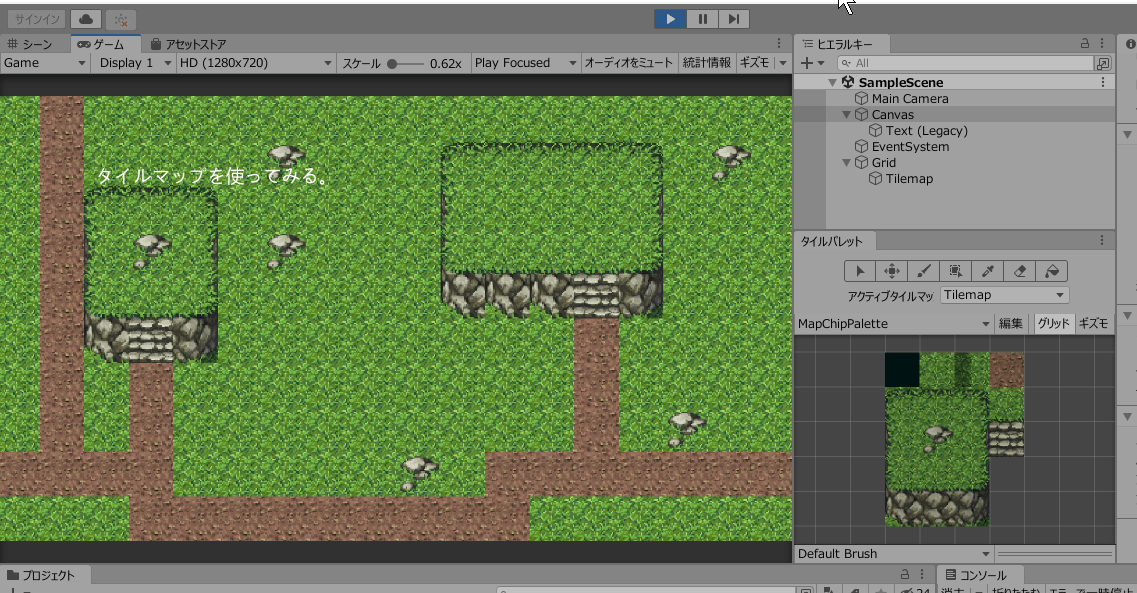
20'S Style Hair Tutorial: A Unity Tile Map Journey
A Unity tile map tutorial guides users in leveraging Unity's Tilemap system, empowering them to create intricate, scalable 2D game environments. As exemplified in the acclaimed mobile game "Crossy Road," tile maps enable developers to construct expansive, visually engaging worlds with minimal effort.
The significance of Unity tile map tutorials lies in their ability to impart fundamental knowledge and techniques, facilitating the creation of captivating and immersive gameplay experiences. Historically, the introduction of tile maps revolutionized 2D game development, allowing developers to produce detailed environments with unprecedented ease.
This article delves into the intricacies of Unity tile map tutorials, exploring the essential components, best practices, and advanced techniques involved in crafting exceptional 2D game worlds. By delving into these concepts, aspiring game developers can harness the full potential of Unity's Tilemap system and create visually stunning, engaging environments.
Unity Tile Map Tutorial
Delving into the essential aspects of a Unity tile map tutorial, we uncover key points that illuminate the significance and practical applications of this technique.
- Tilemap System: Core component for creating 2D game environments.
- Tilesets: Collections of tile graphics, defining the visual elements of the environment.
- Tile Palettes: Assigning different tiles to specific areas, creating diverse environments.
- Tile Brushes: Tools for painting tiles onto the map, facilitating rapid level creation.
- Tile Properties: Custom data associated with tiles, enabling interactive elements.
- Collision Detection: Defining which tiles can be collided with by game objects.
- Pathfinding: Utilizing tile properties to determine walkable paths for game characters.
- Optimization: Techniques for improving performance, such as culling and level streaming.
- Common Challenges: Addressing issues like tilemap size limitations and memory management.
These key points provide a comprehensive overview of the Unity tile map tutorial, encompassing fundamental concepts, practical applications, and potential challenges. By exploring these aspects in detail, aspiring game developers can gain a thorough understanding of tile maps, empowering them to create visually appealing and engaging 2D game environments.
Tilemap System
In the realm of Unity development, the Tilemap system stands as a cornerstone for crafting captivating 2D game environments. Its integration with Unity tile map tutorials fosters a symbiotic relationship, empowering game developers with the knowledge and tools to transform their creative visions into interactive realities.
The Tilemap system acts as the foundation upon which tile-based game worlds are constructed. Its primary function is to orchestrate the arrangement and manipulation of tiles, the fundamental building blocks of these environments. Within unity tile map tutorials, this system is meticulously explored, providing a step-by-step guide to harnessing its potential.
The Tilemap system empowers developers to construct intricate levels, ranging from sprawling landscapes to confined dungeons, with remarkable ease. Its intuitive interface allows for seamless tile placement, enabling rapid level prototyping and iteration. Furthermore, the system's inherent flexibility accommodates diverse art styles, from pixel art to hand-painted textures, granting developers the freedom to realize their unique artistic visions.
Understanding the Tilemap system is paramount for unlocking the full potential of unity tile map tutorials. By delving into its intricacies, developers gain the ability to create visually stunning, engaging, and interactive 2D game environments that captivate players and immerse them in unforgettable gaming experiences.
While the Tilemap system offers immense creative possibilities, it also presents certain challenges. Optimizing tilemap performance, managing large tile sets, and addressing potential rendering artifacts require careful attention to detail. Unity tile map tutorials equip developers with the knowledge and techniques to overcome these hurdles, ensuring that their creations perform flawlessly across various platforms.
In summary, the Tilemap system serves as the cornerstone of unity tile map tutorials, providing a comprehensive framework for constructing captivating 2D game environments. Through a combination of detailed explanations, practical examples, and expert insights, these tutorials empower developers to master the art of tile-based level design, unlocking a world of creative possibilities.
Tilesets
In the realm of Unity development, tilesets hold a pivotal role in shaping the visual identity of tile-based games. These collections of tile graphics serve as the fundamental building blocks for constructing diverse and immersive environments.
The relationship between tilesets and Unity tile map tutorials is symbiotic. Unity tile map tutorials provide a structured approach to understanding and utilizing tilesets effectively, enabling developers to leverage their creative potential. Conversely, tilesets breathe life into these tutorials, transforming abstract concepts into visually captivating game worlds.
Tilesets are an integral component of Unity tile map tutorials. They play a crucial role in teaching developers how to select appropriate tiles, arrange them harmoniously, and manipulate their properties to create visually appealing and engaging environments. Moreover, tilesets serve as a testing ground for experimenting with different art styles, color palettes, and tile arrangements, fostering creativity and innovation.
Real-life instances of tilesets in action within Unity tile map tutorials abound. Consider the development of a medieval fantasy game. The tileset would encompass a collection of castle tiles, forest tiles, and dungeon tiles, each meticulously crafted to evoke the game's unique atmosphere. Through the guidance of Unity tile map tutorials, developers can learn how to assemble these tiles into intricate maps, creating a believable and immersive .
Understanding tilesets is not merely an academic pursuit; it has practical significance in Unity tile map tutorial applications. By mastering the art of tileset creation and manipulation, developers can produce visually stunning games that captivate players and leave a lasting impression. Moreover, tilesets empower developers to optimize their games for performance, ensuring smooth gameplay even on low-end devices.
In summary, tilesets are an essential element of Unity tile map tutorials, providing the visual foundation for captivating and immersive game environments. They offer a creative outlet for developers to express their artistic vision and bring their game worlds to life. While tilesets present challenges, such as managing large tile sets and ensuring visual consistency, the benefits they offer far outweigh the difficulties.
Tile Palettes
In the realm of game development using Unity, tile palettes occupy a prominent position, empowering developers to craft diverse and captivating environments. Unity tile map tutorials elucidate the concept and application of tile palettes, providing a structured approach to understanding their significance and implementation.
Tile palettes establish a direct cause-and-effect relationship within unity tile map tutorials. By assigning different tiles to specific areas, developers can create striking visual contrasts and establish distinct zones within their game environments. This technique allows for the creation of diverse landscapes, ranging from lush forests to arid deserts, within a single tilemap.
As an essential element of unity tile map tutorials, tile palettes play a pivotal role in shaping the visual identity of a game. They provide developers with a powerful tool to control the appearance and atmosphere of their environments, enabling them to convey specific moods and themes. Understanding tile palettes is paramount for creating visually appealing and immersive game worlds that engage players.
Real-life instances of tile palettes in action within unity tile map tutorials abound. Consider the development of a platformer game featuring a variety of environments. The developer might create a tile palette for each environment, assigning different tiles to represent grass, dirt, water, and obstacles. By carefully arranging these tiles, the developer can construct visually distinct levels that guide players through the game's narrative.
The practical significance of understanding tile palettes in unity tile map tutorial applications cannot be overstated. By mastering this technique, developers can optimize their workflow, create visually stunning environments, and enhance the overall player experience. Moreover, tile palettes offer a high degree of flexibility, allowing developers to quickly iterate on their designs and adapt to changing requirements.
In summary, tile palettes serve as a cornerstone of unity tile map tutorials, providing developers with the ability to create diverse and visually appealing game environments. Their impact on the development process is profound, enabling developers to express their creativity, optimize their workflow, and captivate players with immersive and engaging game worlds.
Tile Brushes
In the realm of Unity development, tile brushes emerge as indispensable tools, empowering developers to paint tiles onto the map with remarkable efficiency, thereby accelerating the level creation process.
The relationship between tile brushes and Unity tile map tutorials is one of cause and effect. Unity tile map tutorials elucidate the functionality and application of tile brushes, enabling developers to harness their potential for rapid level creation. Conversely, tile brushes serve as practical tools that bring the concepts taught in these tutorials to life, allowing developers to translate their creative visions into tangible game environments.
As an essential component of Unity tile map tutorials, tile brushes play a pivotal role in the level design process. They provide developers with an intuitive and user-friendly interface for placing tiles, enabling them to quickly construct intricate and visually appealing levels. Moreover, tile brushes offer a high degree of precision, allowing developers to meticulously arrange tiles to create detailed and immersive environments.
Real-life instances of tile brushes in action within Unity tile map tutorials abound. Consider the development of a top-down RPG game. The developer might utilize tile brushes to paint tiles representing grass, trees, and buildings, rapidly constructing the game's overworld. Alternatively, in a platformer game, tile brushes could be used to create intricate level designs, featuring platforms, obstacles, and power-ups, facilitating rapid prototyping and iteration.
The practical significance of understanding tile brushes in Unity tile map tutorial applications cannot be overstated. By mastering this technique, developers can significantly improve their workflow, creating visually stunning levels in a fraction of the time. Moreover, tile brushes empower developers to experiment with different level designs and layouts, fostering creativity and innovation.
In summary, tile brushes serve as a cornerstone of Unity tile map tutorials, providing developers with a powerful tool for rapid level creation. Their impact on the development process is profound, enabling developers to create visually appealing and engaging game environments, optimize their workflow, and accelerate their progress towards completing their projects.
Tile Properties
Within the realm of Unity tile map tutorials, tile properties emerge as a powerful tool, enabling developers to associate custom data with individual tiles, thereby unlocking a wide range of interactive possibilities.
- Collision Detection: Assigning collision properties to tiles allows for precise control over which tiles can be collided with by game objects, facilitating the creation of complex and dynamic environments.
- Pathfinding: By defining walkable and non-walkable tiles, tile properties empower developers to create sophisticated pathfinding algorithms, ensuring that game characters can navigate the environment in a realistic and efficient manner.
- Interactive Triggers: Attaching scripts or custom events to tiles enables the creation of interactive elements, such as switches, pressure plates, and teleporters, adding depth and engagement to the gameplay.
- Visual Effects: Tile properties can be used to control visual effects, such as particle systems and animations, allowing developers to create visually stunning and immersive environments that respond dynamically to player actions.
Collision Detection
Within the realm of Unity tile map tutorials, collision detection stands as a fundamental aspect, enabling developers to define which tiles can be collided with by game objects. This intricate process underpins the creation of dynamic and realistic game environments, where player interactions with the world are governed by precise physical rules.
- Tile Collision Properties:
Assigning unique collision properties to individual tiles allows for granular control over their behavior. Tiles can be designated as solid, one-way, or non-solid, determining whether they can be collided with, passed through, or ignored by game objects.
- Physics Materials:
By assigning physics materials to tiles, developers can define their surface properties, such as friction and bounciness. This enables realistic interactions between game objects and the environment, affecting movement and gameplay mechanics.
- Trigger Tiles:
Creating tiles with trigger properties allows for the creation of interactive elements within the game world. When a game object collides with a trigger tile, it can trigger specific events or actions, such as opening doors, activating switches, or spawning enemies.
- Slope Handling:
Tiles can be configured to behave as slopes, allowing game objects to slide or roll along their surfaces. This opens up possibilities for creating dynamic and challenging platforming sections or slope-based puzzles.
The effective implementation of collision detection in Unity tile map tutorials empowers developers to craft intricate and engaging game environments. By precisely defining tile collision properties, physics materials, trigger tiles, and slope handling, they can create realistic and interactive worlds that respond dynamically to player actions, enhancing the overall gameplay experience.
Pathfinding
Within the realm of Unity tile map tutorials, pathfinding emerges as a crucial aspect, empowering developers to create intelligent and dynamic game environments where game characters can navigate seamlessly. Pathfinding algorithms rely on tile properties to determine walkable paths, opening up a range of possibilities for complex and engaging gameplay.
- Walkable and Non-Walkable Tiles:
Assigning walkable and non-walkable properties to tiles enables developers to define traversable and impassable areas within the game world. This forms the foundation for pathfinding algorithms to calculate valid paths for game characters.
- Cost Values:
Tiles can be assigned cost values, representing the difficulty or desirability of traversing them. This allows pathfinding algorithms to find optimal paths that minimize the cost of movement, creating more realistic and efficient character movement.
- Dynamic Path Updates:
Unity tile map tutorials emphasize the importance of handling dynamic changes to the environment. Pathfinding algorithms can be integrated with event systems to update paths in real-time, ensuring characters can respond to environmental changes, such as moving platforms or destructible obstacles.
- Multiple Pathfinding Techniques:
Tile properties can be leveraged by various pathfinding techniques, including A* and Dijkstra's algorithm. Understanding the strengths and weaknesses of different algorithms allows developers to choose the most appropriate technique for their specific game requirements.
By harnessing the power of pathfinding and tile properties, developers can create sophisticated and immersive game environments where characters navigate intelligently and realistically. This enhances the overall gameplay experience, making it more engaging and enjoyable for players.
Optimization
Within the realm of Unity tile map tutorials, optimization techniques hold a pivotal role in ensuring the smooth and efficient performance of tile-based games. By implementing these techniques, developers can minimize resource usage, reduce rendering overhead, and maximize frame rates, resulting in an enhanced gaming experience.
- Tile Culling:
This technique involves selectively rendering tiles based on their visibility within the camera's view frustum. Tiles that fall outside the frustum are culled, significantly reducing the number of draw calls and improving performance.
- Level Streaming:
Level streaming involves dividing the game world into smaller, manageable sections or levels. These levels are loaded and unloaded from memory as the player moves through the game, minimizing the amount of data that needs to be processed at any given time and reducing loading times.
- Occlusion Culling:
This technique leverages occlusion data to determine which objects are visible to the camera and which are hidden behind other objects. By only rendering visible objects, occlusion culling significantly improves rendering performance.
- Batching and Instancing:
Batching involves combining multiple draw calls into a single draw call, while instancing allows multiple objects to share the same geometry and material. Both techniques reduce the number of draw calls and improve rendering performance, particularly for large numbers of objects.
These optimization techniques are essential for creating high-performance Unity tile map games. By implementing these techniques effectively, developers can ensure that their games run smoothly even on low-end devices, delivering an enjoyable and immersive gaming experience for players.
Common Challenges
Within the realm of Unity tile map tutorials, common challenges often arise, demanding creative solutions from developers. Among these challenges, tilemap size limitations and memory management stand out as pivotal hurdles that must be addressed effectively.
Tilemap size limitations pose a significant constraint, particularly for developers aiming to create vast and expansive game worlds. As the number of tiles increases, performance issues and rendering limitations can arise. Unity tile map tutorials play a crucial role in educating developers about these limitations and providing practical strategies for overcoming them. Techniques such as level streaming, tile culling, and optimizing tile graphics are explored in detail, enabling developers to create large and detailed tilemaps without compromising performance.
Memory management is another key challenge in Unity tile map development. Inefficient use of memory can lead to performance issues, crashes, and a poor user experience. Unity tile map tutorials emphasize the importance of optimizing memory usage by employing techniques such as pooling objects, avoiding excessive allocations, and optimizing data structures. These tutorials guide developers in implementing efficient memory management practices, ensuring their games run smoothly even on devices with limited resources.
Real-life instances of these challenges being addressed within Unity tile map tutorials abound. Consider the development of a sprawling open-world game. The developer might encounter tilemap size limitations as they attempt to create a vast and intricate world. By utilizing techniques learned from Unity tile map tutorials, such as level streaming and tile culling, they can successfully overcome these limitations and deliver a seamless gaming experience.
The practical significance of understanding and addressing common challenges in Unity tile map development cannot be overstated. By mastering these techniques, developers can create high-performance games that run smoothly on a variety of devices. Moreover, they can optimize memory usage, reducing the risk of crashes and improving the overall stability of their games.
In summary, common challenges such as tilemap size limitations and memory management present opportunities for developers to learn, innovate, and optimize their Unity tile map projects. By leveraging the knowledge and techniques provided in Unity tile map tutorials, developers can create visually stunning and engaging tile-based games that deliver an unforgettable gaming experience.
Frequently Asked Questions
This section addresses frequently asked questions and common misconceptions regarding Unity tile map tutorials, providing clarity and further insights into their practical applications.
Question 1: What is the recommended approach for optimizing large tilemaps in Unity?
Answer: Optimizing large tilemaps involves a combination of techniques, including level streaming to manage tiles loaded into memory, tile culling to selectively render visible tiles, and careful tile selection and optimization to reduce draw calls and memory usage.
Question 2: How can I create tile-based levels with intricate details and variations?
Answer: To achieve intricate details and variations, consider using multiple tilesets, layering tiles to create depth and texture, utilizing normal maps and shaders for enhanced visual effects, and incorporating animated tiles or particle systems for dynamic elements.
Question 3: What are the best practices for collision detection and pathfinding in tile-based games?
Answer: For collision detection, assign appropriate collision properties to tiles, consider using tilemap colliders for complex shapes, and optimize collision checks by grouping similar tiles. For pathfinding, explore A* and Dijkstra's algorithms, implement efficient data structures for pathfinding calculations, and optimize pathfinding queries by caching results and avoiding redundant calculations.
Question 4: How can I handle large tilemaps efficiently without compromising performance?
Answer: To manage large tilemaps efficiently, consider breaking them into smaller chunks or layers, implementing level streaming to load and unload tiles dynamically, and optimizing tile graphics and reducing their resolution to minimize memory usage and rendering overhead.
Question 5: What are some common pitfalls to avoid when creating tile-based games in Unity?
Answer: Common pitfalls include using excessive tile variations leading to visual clutter, neglecting collision setup and pathfinding resulting in poor gameplay mechanics, and failing to optimize tilemaps for performance, which can cause lag and stuttering. Additionally, it's important to avoid using too many large tiles, as this can impact performance and increase draw calls.
Question 6: How can I create interactive tile-based environments with custom behaviors?
Answer: To create interactive tile-based environments, assign custom properties to tiles, such as triggers, variables, or scripts, to define their behavior. This allows you to create tiles that respond to player actions, activate events, or modify game parameters, adding depth and interactivity to your tile-based game.
In summary, these FAQs provide valuable insights into best practices, common challenges, and optimization techniques for creating tile-based games in Unity. By addressing these frequently asked questions, we hope to empower developers with the knowledge and skills necessary to craft engaging and high-performance tile-based games.
Moving forward, the next section will delve deeper into advanced techniques for creating dynamic and immersive tile-based environments, exploring topics such as lighting, particle effects, and shader implementation to elevate the visual and interactive experience of your Unity tile map games.
Tips for Creating Immersive Unity Tile Map Games
This section provides practical tips and actionable advice to help developers create immersive and engaging tile map games in Unity. By following these tips, developers can enhance the visual appeal, performance, and overall gameplay experience of their tile-based games.
Tip 1: Utilize Layering and Parallax:
- Create depth and visual interest by layering multiple tilemaps with varying parallax effects. This technique adds a sense of dimension and movement to your game environments.
Tip 2: Optimize for Performance:
- Implement level streaming to manage large tilemaps efficiently. Utilize tile culling techniques to selectively render visible tiles. Optimize tile graphics and reduce their resolution to improve performance.
Tip 3: Add Dynamic Lighting and Shadows:
- Incorporate dynamic lighting and shadow effects to enhance the realism and atmosphere of your game environments. Consider using Unity's built-in lighting system or third-party solutions for more advanced lighting effects.
Tip 4: Incorporate Interactive Elements:
- Create interactive tile-based puzzles and challenges to engage players and add depth to your gameplay. Assign custom properties to tiles to define their interactive behaviors, such as triggering events or modifying game parameters.
Tip 5: Use Particle Effects for Visual Effects:
- Implement particle systems to create dynamic visual effects such as explosions, fire, and smoke. Particle effects can add life and energy to your tile-based environments.
Tip 6: Implement Custom Shaders:
- Utilize custom shaders to achieve unique visual effects and enhance the overall look of your tile-based game. Shaders can be used to create surface details, normal maps, and more.
Tip 7: Design Intricate Tile Variations:
- Create a variety of tile variations to add visual richness and diversity to your tilemaps. Combine different tile sets and experiment with color variations and patterns to create visually appealing and cohesive environments.
Tip 8: Create a Cohesive Art Style:
- Ensure that your tile-based game maintains a consistent and cohesive art style throughout. This includes using a unified color palette, consistent lighting, and harmonious visual elements to create a visually pleasing and immersive experience.
These tips provide practical guidance for developers to elevate the visual appeal, performance, and gameplay of their Unity tile map games. By implementing these techniques effectively, developers can create immersive and engaging tile-based experiences that captivate players and leave a lasting impression.
Moving forward, the final section of this article will focus on advanced techniques for creating dynamic and interactive tile-based games, exploring topics such as AI implementation, procedural generation, and multiplayer networking to further enhance the gameplay experience.
Conclusion
In exploring the vast landscape of "unity tile map tutorial," we have uncovered a treasure trove of insights and techniques that empower game developers to craft captivating tile-based game environments. Key among these findings are:
- Tilemap System: The foundation upon which tile-based environments are constructed, offering a user-friendly interface for tile placement and manipulation.
- Tilesets and Tile Palettes: Collections of tile graphics and color palettes that define the visual identity of game worlds, enabling diverse and visually appealing environments.
- Optimization Techniques: Strategies for improving performance and managing resources, such as level streaming, tile culling, and memory optimization, ensuring smooth gameplay even on low-end devices.
These elements are interconnected, forming a cohesive framework for tile-based game development. The Tilemap system provides the canvas, while tilesets and tile palettesOptimization techniques ensure that these environments perform seamlessly, allowing players to immerse themselves fully in the game world.
As we conclude this exploration, we leave you with a thought-provoking message: the potential of unity tile map tutorials extends far beyond the creation of visually stunning environments. They empower developers to push the boundaries of creativity, craft interactive and dynamic game worlds, and ultimately deliver unforgettable gaming experiences. Embrace the power of tile-based development, and let your imagination soar to new heights.